The biting wind howled, a relentless sculptor of snowdrifts, and the landscape lay entombed in a monochromatic shroud. For creatures ill-equipped to navigate such frozen hostility, winter presented an existential challenge. Yet, scattered across the unforgiving terrain, subtle bulges in the earth, overhangs of ancient stone, offered a lifeline: dry rock shelters. These seemingly unassuming geological formations represented not mere resting places, but vital sanctuaries, the silent guardians of life against the season’s brutal embrace. Their importance transcended simple comfort, forming a critical component in the survival strategies of countless species, from the smallest insect to the largest predator. The role of these dry rock shelters in weathering the winter storm was profound, a testament to the ingenious adaptations forged in the crucible of evolution.
The Perilous Landscape of Winter
Winter, in its full frigid glory, transforms familiar environments into alien realms. The abundance of food sources dwindles dramatically, water freezes solid, and temperatures plunge to life-threatening lows. For many animals, this period demands a radical shift in behavior and physiology. Survival hinges on an intricate dance of energy conservation, resource acquisition, and, crucially, protection from the elements. The absence of adequate shelter can be the difference between a species’ persistence and its demise.
The Threat of Hypothermia
The most immediate and pervasive danger of winter is hypothermia, the dangerous drop in body temperature. Mammals and birds, despite their insulating fur and feathers, can succumb to the cold if their metabolic rate cannot keep pace with heat loss. Exposure to wind, rain, and snow dramatically accelerates this process. Without a barrier against these elements, even species that have developed physiological adaptations for cold can find themselves overwhelmed. The sheer energetic cost of maintaining core body temperature in exposed conditions can deplete reserves needed for foraging or escaping predators, creating a dangerous downward spiral.
Scarcity of Sustenance
Winter is a season of extreme scarcity. Vegetation dies back, insects burrow underground, and many prey animals become less active or migrate. This makes finding food a constant struggle. Animals that do not hibernate or migrate must find ways to subsist on limited resources. The energy expended in searching for food in harsh conditions can negate any calorific gains, making efficient foraging paramount. The ability to conserve energy by minimizing exposure to the cold directly impacts the chances of finding sufficient sustenance.
Predatory Pressures
While prey species face significant challenges, predators also struggle in winter. Reduced visibility, snow cover that muffles sounds, and the scarcity of prey can make hunting more difficult and energetically costly. However, some predators may find an advantage in sheltered areas, using them as ambush points or resting places from which to launch their hunts. Conversely, these same shelters can offer refuge for prey animals, creating a dynamic interplay of life and death within these microhabitats.
The significance of a dry rock shelter during winter cannot be overstated, as it provides essential protection from harsh weather conditions and serves as a vital resource for survival. In exploring the importance of such natural formations, one can draw parallels to the intriguing discoveries made in archaeological sites, as discussed in the article about the curse surrounding a certain dig. This article highlights the complexities and challenges faced by archaeologists, which can be likened to the struggles of early humans who relied on rock shelters for refuge. For more insights into the fascinating world of archaeology and its unexpected consequences, you can read the article here: The Curse of the Mummy’s Tomb: The Dig That Should Have Stayed Buried.
Unveiling the Protective Qualities of Rock Shelters
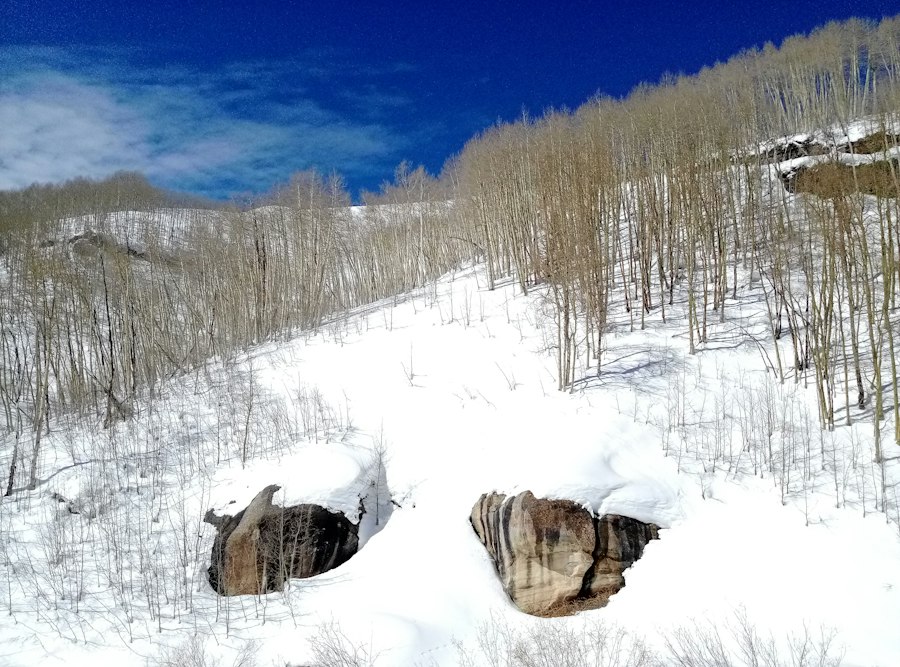
Dry rock shelters, characterized by their elevated, sheltered, and dry interiors, provide a suite of protective qualities that make them indispensable for winter survival. These natural features offer a significant advantage over exposed environments, buffering the harshness of the winter climate and creating a more hospitable microhabitat. Their geological structure plays a key role in their effectiveness, offering a multifaceted defense against the elements.
Insulation and Windbreak Properties
The solid mass of rock itself provides a considerable degree of insulation, absorbing daytime warmth and releasing it slowly during the frigid night. This thermal buffering effect significantly reduces the rate at which interior temperatures drop compared to the ambient air. Furthermore, the overhang or enclosed nature of the shelter acts as a formidable windbreak, preventing the chilling effects of wind chill from reaching the animals seeking refuge. This dual action of insulation and wind protection is crucial for minimizing heat loss.
Dryness as a Critical Factor
The term “dry” in dry rock shelter is paramount. Moisture is a potent conductor of heat, and damp conditions can rapidly lead to hypothermia. Rock shelters, due to their elevated positions and the nature of their construction, are often naturally drained. Rain and snowmelt are unlikely to accumulate within their confines, ensuring that the animals resting there remain dry and can conserve body heat more effectively. This dryness is as vital as the insulation and wind protection offered by the rock itself.
Protection from Precipitation
Beyond simply being dry, shelters offer direct protection from the physical impact of precipitation. Snowfall, hail, and freezing rain can be directly lethal. The solid roof of a rock shelter prevents these forms of precipitation from accumulating on or around the animals, which would otherwise lead to rapid chilling and potential drowning in melting snow. This physical barrier against the direct assault of the weather is a fundamental aspect of their survival value.
Reduced Exposure to Predation
While not their primary function, rock shelters can also offer a degree of protection from predators. The limited access points and often restricted visibility within a shelter can make it more difficult for predators to locate and ambush prey. Animals seeking refuge may gain a tactical advantage, allowing them to rest and conserve energy without the constant threat of being discovered. This added layer of security contributes to their overall survival prospects.
Diverse Inhabitants: A Haven for a Myriad of Species
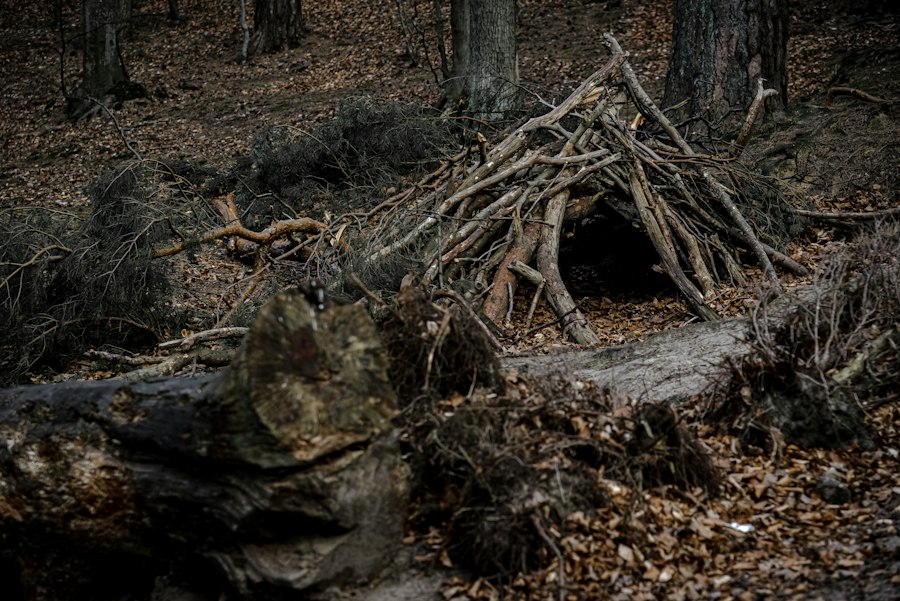
The allure of dry rock shelters extends across a vast spectrum of the animal kingdom. Their utility is not limited to any single group but is appreciated by a remarkable diversity of species, each exploiting the advantages offered in their own unique ways. From the smallest invertebrates to larger mammals, these shelters become essential components of their winter strategy.
The World of Small Mammals and Rodents
For many small mammals, such as voles, mice, and shrews, rock shelters are critical for surviving the winter. They provide a safe haven from both the cold and predators like owls and foxes. These animals often utilize the nooks and crannies within shelters to build their nests, lining them with dry grasses and moss for added insulation. Their small size makes them particularly vulnerable to heat loss, so the thermal properties of the rock are incredibly beneficial. They may also find a more consistent supply of food sources, such as dormant insects or stored seeds, within or near the shelter.
The Ingenuity of Birds
While many birds migrate south, some species remain in colder climates and rely heavily on rock shelters for survival. Species like wrens, chickadees, and nuthatches are known to utilize rock crevices and overhangs for roosting. The warmth generated by a communal roost can be significant, with many birds huddling together for mutual benefit. The shelter also protects them from wind and precipitation, allowing them to conserve precious energy. These birds often have remarkable physiological adaptations for cold, but the shelter amplifies their chances of enduring the harshest conditions.
The Hidden Lives of Invertebrates
Even the seemingly insignificant world of invertebrates benefits greatly from rock shelters. Insects, spiders, and other arthropods often seek refuge in the sheltered and relatively stable microclimates provided by these formations. Many will enter a state of dormancy or hibernation within these protected spaces, shielded from the extreme temperatures and desiccation that would otherwise prove fatal. The dry conditions are particularly important for these creatures, preventing them from freezing solid or drying out.
Opportunistic Use by Larger Fauna
Larger mammals, while often possessing more robust insulation, also utilize rock shelters opportunistically. Foxes, badgers, and even larger herbivores like deer may seek shelter during severe storms or periods of extreme cold. A rock overhang can provide a much-needed respite from driving snow and wind, allowing them to conserve energy and avoid hypothermia. These larger animals might use the shelter for temporary refuge rather than as a permanent den, but its availability can be a critical factor in their ability to endure a difficult winter.
The Ecological Ripple Effect of Shelters
The presence and utilization of dry rock shelters extend their influence far beyond the individual animals that inhabit them, creating a significant ecological ripple effect. These shelters are not isolated havens but integral parts of the broader ecosystem, influencing food webs, seed dispersal, and even geological processes.
Microhabitat Creation and Biodiversity Hotspots
Rock shelters create distinct microhabitats with their own unique environmental conditions. The moderated temperatures, reduced wind, and protection from precipitation foster a microclimate that supports a specialized community of organisms. This can include unique plant communities that thrive in the sheltered conditions, as well as specific insect populations that are adapted to these environments. In essence, rock shelters can become localized biodiversity hotspots, supporting a greater richness of life than the surrounding, more exposed areas.
Seed Dispersal and Plant Colonization
Animals that utilize rock shelters often play a role in seed dispersal. Rodents, for example, may store food items, including seeds, within the shelter, and any seeds that are not consumed can germinate and grow in the protected environment. Birds roosting in shelters may also deposit seeds through their droppings. This can lead to the colonization of plants within and around the shelter, further enhancing its ecological value and creating a more complex habitat.
Nutrient Cycling and Soil Formation
The accumulation of organic matter within rock shelters – from animal waste, nesting materials, and decaying plant matter – contributes to localized nutrient cycling. This organic material can enrich the soil, supporting plant growth. Over time, the presence of vegetation and the activity of animals can contribute to the gradual formation of soil within these sheltered areas, transforming bare rock into a more fertile environment.
Prey-Predator Dynamics and Ecosystem Stability
The role of rock shelters in influencing prey-predator dynamics also has broader ecosystem implications. By providing refuge for prey species, shelters can influence predator success rates. This, in turn, can affect the population dynamics of both prey and predator species. The availability of reliable refuges can contribute to the overall stability of the ecosystem by buffering populations against extreme fluctuations caused by environmental pressures.
The significance of a dry rock shelter during winter cannot be overstated, as it provides essential protection from harsh weather conditions and serves as a vital resource for survival. In a recent article, the importance of such natural formations is explored in greater detail, highlighting their role in ancient human habitation and their continued relevance today. For those interested in understanding the broader implications of natural shelters, you can read more about it in this insightful piece on the subject. This connection to the past emphasizes how these shelters have shaped human experiences and survival strategies throughout history, making them a fascinating topic of study. You can find the article here: read more about it.
Preserving These Vital Sanctuaries for the Future
| Metric | Value | Significance |
|---|---|---|
| Temperature Stability | 5-10°C warmer than outside | Provides thermal insulation, reducing hypothermia risk |
| Protection from Precipitation | 100% shelter from rain and snow | Keeps occupants dry, preventing cold-related illnesses |
| Wind Shielding | Reduces wind chill by up to 80% | Minimizes heat loss due to wind exposure |
| Fire Safety | Dry environment supports fire maintenance | Allows for warmth and cooking, essential for survival |
| Wildlife Protection | Natural barrier against predators | Enhances safety during vulnerable winter months |
| Storage Capability | Dry and sheltered space for food and tools | Preserves supplies from moisture damage |
The vital role of dry rock shelters in winter survival is undeniable. As human activities increasingly impact natural landscapes, the preservation of these critical geological features becomes paramount. Their continued existence ensures the resilience of countless species and the health of entire ecosystems.
The Threat of Human Disturbance and Development
Human development, including construction, mining, and even recreational activities like rock climbing, can directly threaten the integrity of rock shelters. Disturbance can lead to the abandonment of shelters by their inhabitants, disrupting crucial survival strategies. Furthermore, changes to drainage patterns or the physical alteration of shelter sites can render them unusable. The increasing pressure on natural landscapes necessitates a mindful approach to development that considers the ecological significance of these formations.
The Importance of Habitat Connectivity
Beyond the immediate vicinity of a rock shelter, maintaining habitat connectivity is crucial. Animals need to be able to move safely between different foraging areas, water sources, and shelter sites. Fragmented landscapes, caused by roads, agriculture, or urban sprawl, can isolate shelters and make them less accessible, diminishing their overall effectiveness. Preserving natural corridors allows animals to access these vital refuges, especially during challenging winter conditions.
Conservation Strategies and Ecological Awareness
Effective conservation strategies must recognize the intrinsic value of dry rock shelters. This can involve designating protected areas that encompass these formations, implementing land-use planning that minimizes disturbance, and undertaking educational initiatives to raise public awareness about their ecological importance. Understanding the delicate balance of life that depends on these seemingly simple geological features is the first step towards ensuring their long-term survival. By safeguarding these enduring natural havens, humanity can contribute to the enduring resilience of the natural world against the relentless challenges of winter.

➡️Life 20,000 Years Ago | When Strangers Claim Your Winter Shelter 🚨
FAQs
What is a dry rock shelter?
A dry rock shelter is a natural formation, typically found in mountainous or rocky areas, that provides protection from the elements. It is characterized by an overhanging rock or cliff that creates a sheltered space underneath, which can be used for various purposes, including camping, storage, or as a refuge during adverse weather conditions.
Why is a dry rock shelter significant in winter?
In winter, a dry rock shelter offers crucial protection from harsh weather conditions such as snow, rain, and wind. It helps maintain a relatively stable temperature and provides a dry area for individuals or wildlife to seek refuge, making it an essential resource for survival during the colder months.
How does a dry rock shelter help with insulation?
The natural structure of a dry rock shelter can provide insulation by blocking cold winds and retaining heat. The rock itself absorbs heat from the sun during the day and releases it slowly at night, creating a more temperate microclimate within the shelter compared to the surrounding environment.
What wildlife benefits from dry rock shelters in winter?
Many species of wildlife, including deer, bears, and various small mammals, utilize dry rock shelters in winter for protection against the cold and as a safe place to rest. These shelters can also serve as dens for hibernating animals, providing a secure environment away from predators.
Can humans use dry rock shelters for winter camping?
Yes, humans can use dry rock shelters for winter camping. They provide a natural windbreak and a dry area to set up camp, making them ideal for outdoor enthusiasts seeking shelter from winter weather. However, it is important to ensure that the shelter is safe and stable before using it for camping purposes.