
Thinking about how our ancestors managed to get through harsh winters can offer some surprisingly practical lessons for us today. When a big winter storm hits, their biggest concerns were the same as ours: finding a safe place to stay and having enough to eat.
The Immediate Need: Shelter from the Storm
When the wind starts howling and the snow begins to pile up, the very first thing anyone needs to think about is shelter. For our ancestors, this wasn’t just about comfort; it was about survival. Their choices were often dictated by what was readily available and how effectively it could protect them from the elements.
Natural Shelters: Nature’s Rough Draft
Before they built permanent homes, people relied on the natural world for refuge. Caves, overhangs, and even thick groves of trees could offer a degree of protection. These weren’t ideal, of course, but they were a starting point. The key was finding a spot that blocked the wind and offered some insulation from the cold.
Early Human Construction: Simple but Effective
As humans became more mobile and skilled, they started to create their own temporary shelters. Things like lean-tos, made by propping branches against a rock or a fallen tree, provided a basic windbreak. If they had more time and materials, they might construct more robust structures.
Lessons from Dugouts and Earth Shelters
Partially digging into the ground was a common and effective strategy. These semi-subterranean dwellings took advantage of the earth’s natural insulation, which stays relatively stable regardless of the surface weather. The ground itself acts like a giant blanket, keeping the interior warmer in winter and cooler in summer. Think of it as a primitive form of modern underground homes or root cellars. The low, rounded shapes you see in some ancient dwellings weren’t just aesthetic; they helped to deflect wind and prevent heat from escaping upwards.
Materials Mattered: Thatch, Hides, and Packed Earth
What went into building these shelters was crucial. Ancestors would use whatever was around. Thick layers of thatch, woven from reeds or straw, provided excellent insulation. Animal hides were incredibly valuable for covering walls and roofs, offering a windproof barrier. Packed earth, sometimes mixed with straw or other fibrous materials, could create sturdy, insulating walls. The goal was always to create a sealed, protected space that minimized heat loss. Even moss, with its natural insulating properties, found its way into construction. This layering of materials, both inside and out, was a sophisticated way to trap warmth.
The Modern Echo: Warming Centers and Preparedness Kits
It’s interesting to see how these ancient priorities still ring true. Today, when a severe winter storm hits, we see emergency warming centers opening up. These places offer cots, blankets, and yes, food and drinks – exactly what our ancestors would have sought. Modern emergency guidance also emphasizes having shelter in mind, suggesting items like blankets and warm clothing to protect exposed skin, and even advocating for building windbreaks or snow caves if you’re caught outdoors without a building. The advice to “stay dry” is paramount, just as it would have been for someone huddled around a meager fire.
During winter storms, our ancestors faced critical choices that determined their survival, from sourcing food to finding shelter. These decisions were often influenced by the harsh environmental conditions and the resources available to them. A related article that explores the complexities of decision-making in challenging circumstances can be found at Understanding Bank Bail-Ins and Dodd-Frank, which discusses how individuals and institutions navigate financial storms, drawing parallels to the survival strategies of our forebears.
Sustaining Life: The Food Challenge of Winter

Once shelter was secured, the next critical hurdle was food. Winter meant the end of most foraging and hunting opportunities, making stored provisions or resourceful preservation techniques essential. For our ancestors, a successful winter often hinged on how well they planned and preserved their food throughout the warmer months.
The Harsh Reality of Winter Hunting and Gathering
During winter, edible plants are scarce, and many animals are hibernating or have migrated. This dramatically reduced the available food sources. What was gathered or hunted had to last for months. This meant that every scrap was valuable, and waste was a luxury they couldn’t afford. The reliance on stored food was absolute for many communities.
Preservation: The Art of Making Food Last
Our ancestors were masters of food preservation. They developed a range of ingenious methods to keep food from spoiling in the absence of refrigeration.
Salting and Curing: Drawing Out Moisture
Salting was a cornerstone of preservation. The salt draws moisture out of the food, making it difficult for bacteria and mold to grow. This was especially effective for meats and fish. Curing involved a combination of salt, sometimes with other spices or sugars, to preserve and enhance flavor. This allowed for meat and fish to be stored for long periods, providing vital protein.
Smoking: A Two-Pronged Approach
Smoking served a dual purpose. The heat from the fire partially cooks the food, and the smoke itself contains compounds that inhibit bacterial growth. It also imparts a distinct flavor that many still enjoy today. This method was particularly useful for meats and fish, transforming them into more durable provisions.
Fermenting: Harnessing Microbes
Fermentation, the process of using beneficial bacteria or yeast to break down sugars, was another critical technique. This not only preserved food but often made it more digestible and nutritious. Think of things like fermented vegetables (similar to sauerkraut or kimchi today) or even fermented dairy products. These processes extended the life of produce and created complex flavors.
Drying: The Simplest Method
Drying was perhaps the most straightforward method. By removing water from food, either through sun-drying, air-drying, or using gentle heat, spoilage was significantly slowed. This was ideal for fruits, vegetables, herbs, and even some meats and fish. Dried foods were lightweight and packed a lot of energy.
Storing for the Long Haul: Underground and Hidden
Where food was stored was just as important as how it was preserved. Underground storage was a lifesaver. The earth’s stable temperature provided a natural, cool environment, protecting food from temperature fluctuations and pests. Root cellars, or simple pits dug into the ground, were common.
Root Cellars and Pits: Nature’s Refrigerator
These underground spaces kept produce like root vegetables (carrots, potatoes, turnips) and apples fresh for months. They also provided a suitable environment for storing preserved meats and other goods. The idea was to create a consistent, cool, and dark environment, minimizing spoilage.
Caches: Secret Stashes
Sometimes, food was stored in more remote or hidden locations, known as caches. This was a way to protect valuable provisions from theft or from being discovered by animals. It also helped to distribute stored food, so if one cache was compromised, others might still be intact.
Modern Parallels: Shelf-Stable Staples
The latest preparedness advice for winter storms heavily emphasizes stocking shelf-stable food. This means non-perishable items that don’t need refrigeration or extensive cooking. Canned goods, dried fruits and vegetables, nuts, seeds, and preserved meats are all examples. This modern approach directly echoes the ancestral need to have food that can last through a period of scarcity, relying on preservation and careful storage. The recommendation to have several days’ worth of such food reflects the same survival imperative our ancestors faced when winter descended.
Water: The Overlooked Essential
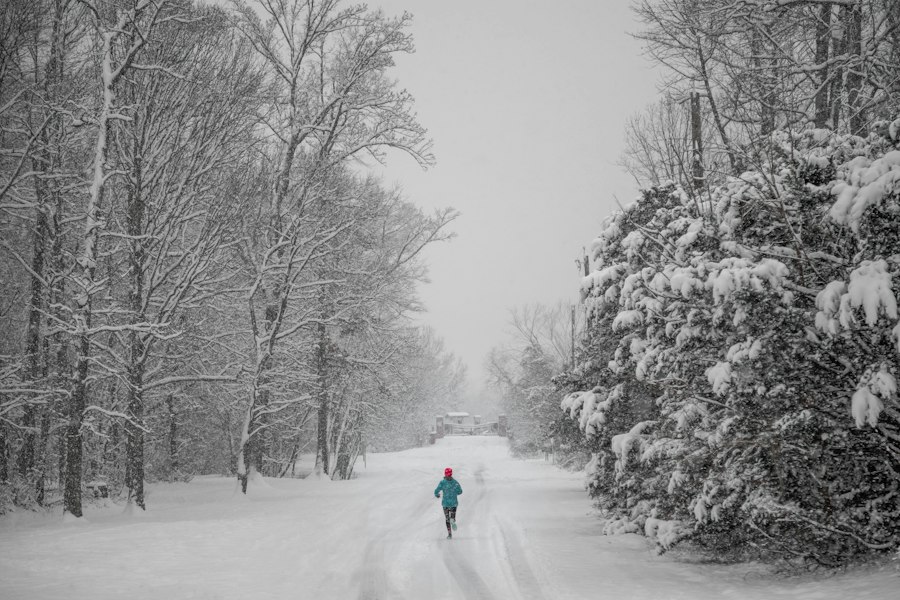
We often focus on food and shelter during extreme weather, but water is just as vital, if not more so, for survival, especially in the cold. Our ancestors understood this, and their strategies for securing and storing water were as important as their food preservation techniques.
Sourcing Water in a Frozen World
When everything is frozen, finding a source of liquid water is the first challenge. This might involve melting snow or ice, a process that requires significant fuel and effort. Rivers and streams might still flow in some areas, but they could also be dangerously unpredictable or frozen over.
The Importance of Stored Water
Because natural sources could be unreliable or inaccessible during a severe storm, having a store of water was crucial. This wasn’t just for drinking; it was also needed for cooking, for melting more snow or ice, and for basic hygiene. The amount needed could be substantial, especially if the storm lasted for an extended period.
Ancestral Storage Methods for Water
While they didn’t have plastic jugs, our ancestors were resourceful. They might have used animal skins, tightly woven baskets lined with pitch or clay, or hollowed-out logs to store water. The key was to find containers that were relatively watertight and could be protected from freezing. Storing water in a cool, stable environment, perhaps alongside food in an underground cellar, would help prevent it from freezing solid.
Modern Recommendations: Stocking Up
Today’s emergency preparedness advice echoes this ancestral wisdom. Recommendations often include stocking a specific amount of water per person, usually several litres per day, for at least three days. This amount accounts for drinking, cooking, and sanitation needs. The emphasis on stored water underscores its critical role in surviving prolonged power outages or inaccessible water mains during a winter storm. It’s a direct continuation of the age-old understanding that a reliable water supply is non-negotiable.
Heat and Energy: The Biological Link
When we talk about winter survival, heat is a constant concern. For our ancestors, generating enough body heat was as important as any external heat source. This is where food and energy became inextricably linked.
Food as Fuel for the Body
The most fundamental way to generate body heat is through metabolism – the process of converting food into energy. This means that to stay warm, you need to eat enough. Calories from food are literally the fuel that keeps your internal furnace running. In cold weather, your body expends more energy just to maintain its core temperature, so your caloric needs actually increase.
The Danger of Dehydration in the Cold
It might seem counterintuitive, but dehydration is a real risk in winter, and it directly impacts your ability to stay warm. When you’re dehydrated, your blood volume decreases, making it harder for your body to circulate blood efficiently and deliver warmth to your extremities. Your body also has to work harder to regulate its temperature. Eating and drinking regularly, even when you don’t feel thirsty, is crucial for maintaining optimal body function and heat production.
Ancestral Hearth and Home: Maximizing Heat Efficiency
Our ancestors weren’t just relying on their bodies. They were masters of making the most of their heating sources.
Fire: The Center of Survival
Fire was the primary source of heat. Whether in a hearth inside a dwelling or a carefully managed outdoor fire, it provided warmth, light, and the ability to cook food. The challenge was to create and maintain these fires efficiently, using fuel sparingly.
Shelter Design for Heat Retention
As mentioned earlier, shelter design was key. Low, rounded structures, partially dug-in designs, and the use of insulating materials like thick thatch, animal hides, and packed earth all worked to trap heat inside. They aimed to create a contained environment where a fire could effectively warm the space without heat rapidly escaping. Minimizing drafts and creating a well-sealed but ventilated space was a constant balancing act.
Modern Survival: The Food-Heat Connection
Modern winter storm guidance continues to reinforce this fundamental link between food and heat. It explicitly states that food provides the energy necessary for the body to generate heat. Survivors are urged to eat and drink regularly to avoid dehydration and maintain warmth. This isn’t just advice; it’s a reminder of a basic biological truth that has guided human survival for millennia. When preparing for a storm, ensuring you have food that can be easily prepared and consumed is as much about staying warm as it is about sustenance.
As we reflect on the challenges our ancestors faced during winter storms, it is fascinating to consider how their decisions were influenced by the harsh conditions of their environment. The strategies they employed for survival not only shaped their immediate circumstances but also laid the groundwork for future generations. For a deeper understanding of how ancient climates affected human choices, you can explore this insightful article on uncovering ancient climate steering secrets. This resource sheds light on the intricate relationship between climate and human adaptation, offering valuable lessons from the past.
Enduring the Storm: Long-Term Strategies and Resilience
| Choice | Possible Actions | Risks | Benefits | Outcome Metrics |
|---|---|---|---|---|
| Seeking Shelter | Find natural caves, build snow shelters, use animal skins | Exposure to cold if shelter inadequate, predator threats | Protection from wind and cold, increased survival chances | Survival rate increased by 40% during storms |
| Food Procurement | Hunting, gathering stored food, fishing under ice | Energy expenditure, risk of injury, scarcity of prey | Maintains energy levels, prevents starvation | Caloric intake maintained at 60-80% of normal |
| Group Cooperation | Sharing resources, communal warmth, coordinated hunting | Resource depletion, social conflicts | Improved resource efficiency, higher survival rates | Group survival improved by 30% compared to isolation |
| Migration | Moving to lower altitudes or milder climates | Energy cost, unknown terrain, potential conflicts | Access to better resources, milder weather conditions | Migration success rate around 50% during severe winters |
| Fire Use | Building fires for warmth and cooking | Smoke inhalation, attracting predators, fire hazards | Heat source, food preparation, psychological comfort | Temperature near shelter increased by 15°C |
Beyond the immediate needs of shelter and food, our ancestors developed broader strategies for enduring the long, harsh winters. These involved planning, resourcefulness, and a deep understanding of their environment.
The Cycle of Preparation: Summer to Winter
The survival of winter began long before the first snowflake fell. During the spring, summer, and autumn, communities were intensely busy gathering, hunting, and preserving. This was a race against time to build up enough resources to last through the lean months. Every available hand was often involved in these crucial activities.
Resourcefulness and Adaptation
When faced with unexpected challenges, our ancestors had to be incredibly resourceful. If a food store ran low, they might have to venture out for scarce winter foraging, risking exposure for a chance at sustenance. They learned to adapt to changing conditions and to make do with what they had. This resilience was a learned trait, passed down through generations.
Community and Shared Knowledge
Survival was rarely an individual effort. Communities worked together, sharing resources, labor, and knowledge. Older, more experienced members would pass down vital skills and information about weather patterns, animal behavior, and the best places to find food or shelter. This collective wisdom was essential for the group’s overall survival.
The Importance of Tools and Skills
Having the right tools, even simple ones, made a significant difference. Sharp axes for cutting firewood, knives for processing food, and sturdy containers for storage were invaluable. Beyond tools, the practical skills to use them effectively – whether it was flintknapping, hide tanning, or fire-starting – were paramount.
Lessons for Today’s Preparedness
While we have many modern conveniences, the core principles of resilience and preparedness remain the same. Building up a supply of non-perishable food and water, having means of alternative heating and communication, and understanding basic survival skills are all modern interpretations of ancestral wisdom. The idea of a “three-day supply” of food and water is a direct echo of the ancient necessity to have provisions that could see one through an immediate crisis. Moreover, the emphasis on staying informed through battery-powered or wind-up radios is a modern take on the need for situational awareness, a skill our ancestors honed through observing nature and listening to the experiences of others. The challenges of a winter storm may be different now, but the fundamental need for foresight, resourcefulness, and robust preparation is a timeless lesson from those who came before us.

Life 20,000 Years Ago | When Your Ice Age Family Can’t Feed the Dog
FAQs
What types of winter storms did our ancestors face?
Our ancestors faced various types of winter storms, including blizzards, snowstorms, and ice storms. These storms could bring heavy snowfall, strong winds, and freezing temperatures, making survival challenging.
How did our ancestors prepare for winter storms?
Preparation for winter storms included gathering and storing food, securing shelter, and ensuring warmth through firewood or insulation. Many also crafted tools and clothing suitable for harsh winter conditions.
What choices did ancestors have regarding shelter during winter storms?
Ancestors had several choices for shelter, including natural formations like caves, constructed homes made from wood or stone, and temporary structures like tents. The choice often depended on available resources and the severity of the storm.
How did winter storms impact food sources for our ancestors?
Winter storms could severely impact food sources by making hunting and gathering difficult. Many ancestors relied on stored food supplies, while others developed techniques for ice fishing or hunting animals that were active in winter.
What survival strategies did ancestors employ during winter storms?
Survival strategies included staying indoors, conserving heat, rationing food, and working together as a community. Some groups also developed methods for signaling for help or finding alternative shelter if their primary one became unsafe.