The frigid embrace of glaciers has, for millennia, served as an extraordinary vault, preserving the remnants of a lost world. Among the most remarkable of these preserved inhabitants are the woolly mammoths, ancient behemoths that roamed the Ice Age landscapes. Their frozen carcasses, discovered with astonishing completeness, offer an unparalleled window into a prehistoric era, allowing scientists to unravel the mysteries of their lives, their environment, and their eventual demise. The study of these icy time capsules is not merely an academic pursuit; it holds the potential for groundbreaking scientific discoveries, from understanding ancient ecosystems to informing our approaches to modern conservation and even exploring the feasibility of de-extinction.
Frozen Titans: The Remarkable Preservation of Woolly Mammoths
The remarkable state of preservation of woolly mammoths found in permafrost and glacial ice is a testament to the unique environmental conditions that have kept them frozen for thousands of years. These ancient giants, part of the Pleistocene megafauna, became trapped in freezing mud, swamps, or were buried by snowdrifts that subsequently solidified into ice. The extreme cold of the Arctic and sub-Arctic regions, where most of these discoveries have been made, has acted as a natural cryopreservation system, halting decomposition and allowing delicate tissues, even internal organs and hair, to survive virtually intact.
The Arctic’s Natural Freezer: Permafrost and Glacial Ice
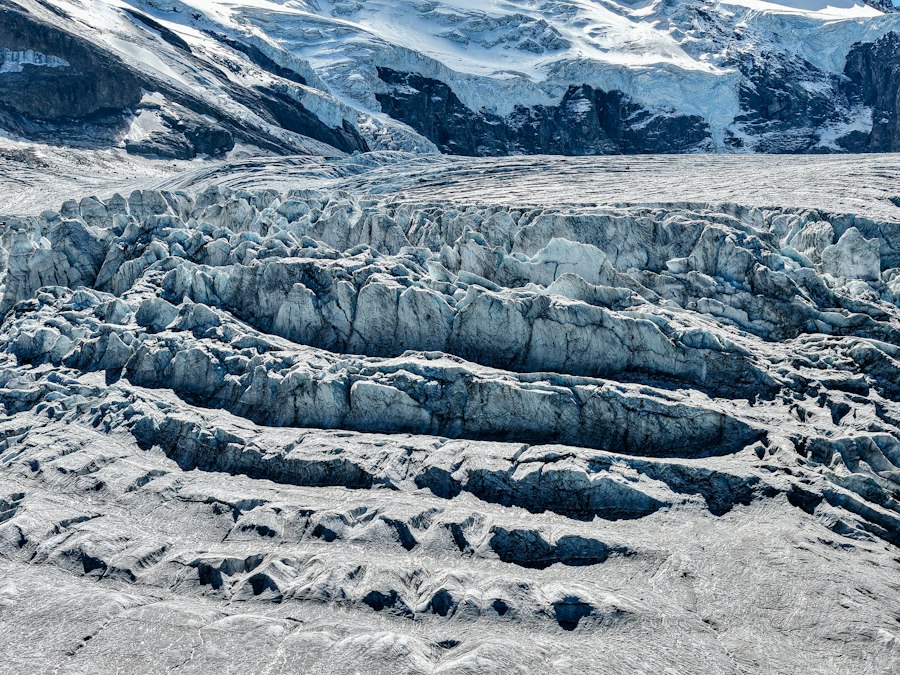
Permafrost, ground that remains frozen for two or more consecutive years, is the primary medium for mammoth preservation. When a mammoth died, its body could be rapidly covered by snow, silt, or ice, especially during blizzards or in areas prone to glacial advance. The low temperatures, often well below freezing, coupled with the absence of oxygen within the frozen matrix, dramatically slow down the biological processes of decay. Bacteria and fungi, the primary agents of decomposition, are rendered largely inactive in these conditions. Glacial ice, particularly in the form of ice wedges and ancient ice sheets, can also entomb mammoths, providing an even more stable and long-term form of preservation. The pressure and constant cold of the ice further protect the organic material from environmental degradation.
From Carcass to Cryo-Specimen: The Process of Preservation
The journey from a living Ice Age creature to a remarkably preserved specimen is a delicate dance of natural forces. The ideal scenario for mammoth preservation involves rapid burial in a low-oxygen environment, such as a waterlogged bog or a mudslide, followed by swift freezing. This rapid freezing prevents ice crystals from forming and damaging cellular structures. Once frozen, the body is protected from scavenging animals, insects, and the oxidative effects of air. Over millennia, successive layers of snow and ice accumulate, further insulating and preserving the remains. In some cases, the body might be encased in ice, which, while initially damaging if freezing is slow, can provide excellent long-term preservation once fully encased and stable. The anaerobic conditions within the ice are crucial, as aerobic decomposition requires oxygen.
Notable Discoveries: A Glimpse into the Past
The history of woolly mammoth discoveries is rich with incredible finds. The Lyakhov Island mammoth, discovered in Siberia in 1901, was one of the earliest and most complete specimens. Its hair, skin, and even internal organs were remarkably well-preserved. More recent discoveries, such as the “Yuka” mammoth cub found in the Yakutia region of Siberia in 2010, have provided even greater detail, with soft tissues, flesh, and even a brain intact. These discoveries are often serendipitous, occurring when erosion, thawing permafrost, or construction activities expose these ancient treasures. The scientific community’s excitement upon each new find underscores the immense value of these frozen relics.
Recent advancements in the preservation of woolly mammoths found in glaciers have sparked significant interest in the scientific community. Researchers are exploring the potential of using ancient DNA to bring these magnificent creatures back to life, which raises intriguing questions about de-extinction and its implications for modern ecosystems. For a broader perspective on how such scientific endeavors might intersect with economic factors, you can read about the potential impacts of the impending US dollar collapse in this related article: The Impending US Dollar Collapse: 2025 Prediction.
Decoding the Mammoth’s Life: Insights from Preserved Tissues
The extraordinary preservation of woolly mammoths allows scientists to go far beyond simply identifying the species. By studying their frozen tissues, researchers can reconstruct detailed aspects of their diet, health, age at death, and even their social behaviors. This microscopic and molecular level of analysis unlocks a wealth of information that would be impossible to obtain from fossilized bones alone.
Anatomy and Physiology: A Biological Blueprint
The ability to examine the internal organs of mammoths, such as their hearts, lungs, and stomachs, provides an unprecedented look at their biological systems. Scientists can study the structure of these organs, compare them to modern relatives like Asian elephants, and infer physiological functions. For instance, examination of stomach contents can reveal the last meals of a mammoth, offering direct evidence of the plant species they consumed and, by extension, the vegetation of their habitat. Analyzing the bone marrow can reveal details about their nutritional status and the presence of diseases. The study of muscle tissue can shed light on their locomotion and strength.
Diet and Environment: What the Last Meal Reveals
The contents of a mammoth’s stomach and intestines are a treasure trove of dietary information. Scientists meticulously analyze undigested plant matter, seeds, and pollen to reconstruct the mammoth’s diet. This data, combined with paleobotanical studies of the surrounding sediments, allows for a detailed reconstruction of the Ice Age landscape, known as the Mammoth Steppe. They can identify the types of grasses, sedges, and shrubs that formed the staple food for these herbivores, and understand how these diets changed seasonally or geographically. Evidence of parasites found within the digestive tract can also provide insights into the mammoth’s health and the prevalence of certain diseases in their environment.
Age, Health, and Cause of Death: A Forensic Investigation
Determining the age of a mammoth at death is often possible by examining its tusks and teeth. Similar to tree rings, growth layers in tusks can be counted to estimate age. The wear patterns on teeth provide further information about their diet and chewing habits throughout their lives. Furthermore, examining the skeletal structure and tissues for signs of disease, injury, or malnutrition can paint a picture of the individual’s health. In some cases, evidence of trauma, such as broken bones or puncture wounds, can suggest the cause of death, whether it was predation, an accident, or conflict. The presence of specific isotopes in their tissues can also reveal migration patterns and provide clues about their life history.
Unraveling Ice Age Ecosystems: Mammoths in Their World

Woolly mammoths were not isolated entities; they were integral components of complex Ice Age ecosystems. The study of their preserved remains, in conjunction with the analysis of their environment, allows scientists to reconstruct these ancient worlds and understand the intricate web of life that existed.
The Mammoth Steppe: A Lost Landscape
The prevalent environment for woolly mammoths was the “Mammoth Steppe,” a vast, treeless grassland that stretched across much of the Northern Hemisphere during the Pleistocene. This ecosystem was characterized by cold, dry conditions, with a rich diversity of grasses, sedges, and herbaceous plants. The presence of mammoths played a significant role in shaping this environment through their grazing and trampling. They helped maintain the open grassland by preventing the encroachment of shrubs and trees. Scientists study mammoth teeth wear patterns and isotopic analysis of their remains to understand the specific plant communities they frequented, thus reconstructing the detailed composition of the Mammoth Steppe in different regions and at different times.
Trophic Interactions: Predators and Prey
Woolly mammoths, as large herbivores, were prey for apex predators of the Ice Age, such as saber-toothed cats and packs of dire wolves. Evidence of predator-prey interactions can sometimes be found in the remains, such as bite marks on bones or fossils of predators found in close proximity to mammoth carcasses. Conversely, the sheer size and tusks of adult mammoths would have made them formidable opponents, and successful predation would likely have targeted juveniles, the elderly, or injured individuals. Understanding these trophic relationships is crucial for comprehending the dynamics of the Ice Age food web and the ecological roles played by each species.
Climate Change and Extinction: The End of an Era
The extinction of woolly mammoths, which occurred around 4,000 years ago for the last populations, is a subject of intense scientific debate. While climate change is widely considered a major factor, the exact mechanisms and their interplay with other pressures are still being investigated. As the Ice Age waned, temperatures rose, and the vast Mammoth Steppe began to shrink, replaced by forests and tundra. This habitat fragmentation and loss of their primary food source would have severely impacted mammoth populations. Some researchers also point to the role of human hunting, particularly in the later stages of their decline, as a contributing factor. The detailed environmental data gleaned from mammoth remains, such as isotopic signatures reflecting dietary shifts and the analysis of ice core data correlating with their extinction timelines, are vital in piecing together the complex puzzle of their demise.
Technological Innovations in Mammoth Research: Advanced Analytical Tools
The study of woolly mammoths has been revolutionized by the application of cutting-edge scientific technologies. These tools allow for increasingly detailed and non-invasive analysis, unlocking secrets that were previously inaccessible.
Genetic Sequencing: Decoding the Mammoth Genome
The ability to extract and sequence ancient DNA (aDNA) from mammoth remains has been a game-changer. Scientists can now reconstruct large portions of the woolly mammoth genome. This has provided profound insights into their evolutionary history, their relationship to modern elephants, and even their genetic diversity. Comparing the genomes of different mammoth populations can reveal migration patterns and population structures. Furthermore, understanding their genetic makeup is a crucial step towards the ambitious goal of de-extinction.
Isotopic Analysis: Tracing Ancient Lives
Isotopic analysis of mammoth tissues, particularly bones and teeth, provides a powerful method for reconstructing their diet, migration patterns, and even the climate they experienced. Different isotopes of elements like carbon, nitrogen, and oxygen are incorporated into an organism’s tissues based on their diet and the environment they inhabit. By measuring the ratios of these isotopes, scientists can infer the types of plants consumed, the geographical locations frequented, and the prevailing climatic conditions. For example, different isotopes of oxygen in tooth enamel can indicate the temperature and water sources the mammoth utilized throughout its life.
Radiocarbon Dating and Thermoluminescence: Pinpointing Time
Precise dating of mammoth remains is essential for understanding their timeline and correlating their existence with past environmental changes and human activity. Radiocarbon dating, which measures the decay of the radioactive isotope carbon-14, is commonly used to date organic materials up to around 50,000 years old. For older specimens or for dating inorganic materials associated with mammoth sites, techniques like thermoluminescence dating can be employed. These dating methods allow scientists to establish chronological frameworks for mammoth populations and their extinction events.
Recent studies have highlighted the fascinating potential of woolly mammoth preservation found in glaciers, shedding light on how these ancient creatures can offer insights into climate change and biodiversity. For those interested in the intersection of science and innovation, a related article discusses the role of private sector investment in building lunar infrastructure, which may also provide valuable lessons for preserving Earth’s historical ecosystems. You can read more about this intriguing connection in the article here.
The Future of Mammoth Preservation and De-Extinction: A Double-Edged Sword
| Metric | Value | Unit | Notes |
|---|---|---|---|
| Number of Woolly Mammoth Specimens Found in Glaciers | 50+ | specimens | Specimens discovered primarily in Siberian permafrost and glaciers |
| Average Age of Preserved Specimens | 10,000 – 40,000 | years | Determined by radiocarbon dating |
| Preservation Temperature Range | -10 to -5 | °C | Typical temperature range in glacier environments preserving tissue |
| Percentage of Soft Tissue Preservation | 30% | approximate | Includes skin, muscle, and internal organs in some specimens |
| DNA Recovery Success Rate | 70% | approximate | Rate at which usable DNA is extracted from preserved specimens |
| Time to Decomposition at Glacier Temperatures | Thousands of years | years | Estimated duration soft tissues remain preserved under glacier conditions |
| Glacier Thickness at Discovery Sites | 10 – 50 | meters | Thickness of ice layers covering mammoth remains |
The remarkable preservation of woolly mammoths and the advancements in our understanding of their biology and environment have ignited discussions about the potential for their revival. However, this prospect is fraught with ethical, ecological, and practical challenges.
Ethical Considerations: Playing God or Restoring the Past?
The prospect of de-extinction raises profound ethical questions. Should humans intervene in natural evolutionary processes by bringing back extinct species? Proponents argue that it could help restore ecosystems and provide valuable scientific knowledge. Critics, however, voice concerns about the potential welfare of de-extinct animals, the impact on existing ecosystems, and the moral implications of “playing God.” The debate requires careful consideration of the potential benefits versus the inherent risks and responsibilities.
Ecological Implications: A New Role in a Changed World
If mammoths were to be brought back, where would they live? The ancient Mammoth Steppe no longer exists in its pristine form. Modern Arctic environments are vastly different, and reintroducing a species that has been absent for millennia could have unpredictable consequences for existing flora and fauna. While some suggest reintroducing them to help restore degraded ecosystems, it is crucial to understand the potential for invasive behavior, disease transmission, or disruption of delicate ecological balances. Thorough ecological modeling and careful phased introductions would be paramount.
Scientific and Technological Hurdles: The Path to Resurrection
Despite significant progress, the path to de-extinction is far from straightforward. While the genome has been largely sequenced, the process of reconstructing a fully functional organism from ancient DNA is incredibly complex. Challenges include finding suitable surrogate mothers (likely Asian elephants) for gestation, ensuring proper development and social integration, and overcoming potential genetic defects or diseases that may have contributed to their extinction in the first place. The sheer cost and resources required for such an endeavor are also substantial, demanding careful justification and international collaboration. The scientific community continues to push the boundaries of what is possible, but de-extinction remains a distant and complex goal.

Life 20,000 Years Ago: The Ultimate Ice Age Fight to Survive
FAQs
What is the significance of woolly mammoth preservation in glaciers?
The preservation of woolly mammoths in glaciers provides valuable insights into the ancient species, their behavior, and the environment they lived in. It also offers scientists the opportunity to study the effects of climate change over time.
How are woolly mammoths preserved in glaciers?
Woolly mammoths are preserved in glaciers when they become trapped in ice or snow, preventing decomposition. The cold temperatures and lack of oxygen help to maintain the integrity of the mammoth’s remains for thousands of years.
Where have woolly mammoth remains been found in glaciers?
Woolly mammoth remains have been found in glaciers in Siberia, Alaska, and other Arctic regions where the prehistoric animals once roamed. These areas have provided a unique opportunity for researchers to study these ancient creatures.
What can studying woolly mammoths in glaciers tell us about their extinction?
Studying woolly mammoths preserved in glaciers can provide clues about the factors that led to their extinction, such as climate change, human hunting, or disease. By analyzing their remains, scientists can piece together the puzzle of what caused these majestic creatures to disappear.
How do scientists extract and study woolly mammoth DNA from glaciers?
Scientists extract woolly mammoth DNA from glaciers by carefully collecting samples of bone, hair, or tissue from the preserved remains. They then use advanced genetic techniques to analyze the DNA and learn more about the genetic makeup of these ancient creatures.