The immense power of glaciers, forces of nature capable of sculpting landscapes over millennia, is dramatically illustrated by the existence of glacial erratics. These are not just any rocks; they are colossal stones, often weighing many tons, transported vast distances from their original bedrock by the slow but irresistible crawl of ice. Among these geological marvels, certain erratics stand out as the world’s largest, representing a testament to the sheer scale of glacial action and offering invaluable insights into Earth’s ancient climates and geological history. Their presence sparks wonder and awe, prompting a deeper appreciation for the dynamic planet we inhabit.
The formation of glacial erratics is a captivating display of geological processes. During ice ages, vast ice sheets, miles thick in some regions, advanced across continents. As these colossal rivers of ice flowed, they acted like immense bulldozers, picking up and carrying anything in their path – soil, sand, gravel, and, most notably, massive boulders. The freezing and thawing of water in rock cracks would break off large pieces, which would then be incorporated into the glacial mass.
Understanding Glacial Entrainment
A key mechanism behind erratic formation is glacial entrainment. This process involves the incorporation of rocks and sediment into the base and within the body of a glacier. As the glacier moves, it erodes the underlying bedrock. If a large boulder is present or a section of bedrock is dislodged, the ice can flow around and over it, effectively gripping and transporting it. The immense pressure exerted by the overlying ice helps to embed these rocks.
Abrasion and Plucking by Ice
Glaciers employ two primary methods of erosion that contribute to the acquisition of erratics: abrasion and plucking. Abrasion occurs as rocks and debris embedded in the base of the glacier grind against the bedrock, acting like sandpaper and smoothing the landscape. Plucking, on the other hand, is a more aggressive process. Water seeps into cracks in the bedrock, freezes, and expands, widening the cracks. As the glacier moves, it pulls away chunks of rock, which then become part of the glacial debris. Larger, more resistant rocks are more likely to be plucked and transported as erratics.
The Role of Time and Distance
The distance a glacial erratic travels is directly proportional to the duration and extent of glacial activity. During periods of extensive glaciation, ice sheets could advance hundreds, even thousands, of miles from their source regions. This meant that boulders quarried from a particular mountain range could end up deposited in an entirely different geological province, often far from any exposed bedrock of that same type. The longer a glacier persists and the further it moves, the greater the potential for the transport and deposition of colossal erratics.
Evidence of Ancient Ice Sheets
The geographic distribution of glacial erratics provides crucial evidence for the extent and movement of past ice sheets. Geologists can analyze the type of rock that makes up an erratic and compare it to the bedrock in surrounding areas. If an erratic is composed of a unique igneous or metamorphic rock found only in a distant mountain range, it strongly suggests that a glacier must have originated from that range and transported the boulder to its current location. This allows scientists to reconstruct the paleogeography of glaciated regions.
The exploration of natural wonders often leads to fascinating connections between geology and geopolitics. For instance, while studying the largest glacial erratics in the world, one might also consider how the shifting landscapes and natural resources influence international relations. A related article that delves into the complexities of geopolitical dynamics, particularly between the US, Mexico, and China, can be found here: Geopolitical Shift: US, Mexico, and China. This piece highlights how geographical features and resources play a crucial role in shaping political strategies and alliances.
Defining the Giants: Criteria for World’s Largest
Identifying and defining the “world’s largest” glacial erratics involves more than just finding a big rock. Geologists consider several factors when classifying these behemoths, ensuring a consistent and scientifically valid approach to their designation. The sheer scale, the geological context, and the narrative of their journey are all considered in recognizing these monumental glacial deposits.
Size and Mass as Primary Factors
The most obvious criterion for a “largest” erratic is its sheer size and estimated mass. These are not simply large rocks; they are boulders that dwarf human comprehension. Measurements of length, width, and height, along with estimations of density based on the rock type, allow for calculations of their immense weight. Boulders weighing thousands, or even tens of thousands, of tons are contenders for the title.
Cubic Volume and Surface Area
Beyond linear dimensions, the cubic volume and surface area of an erratic are also considered. A rock might be long but relatively narrow, while another could be more rounded but equally massive. Geologists aim to capture the overall three-dimensional extent of the boulder to accurately assess its scale. A larger surface area also means more of the rock was exposed to the glacial forces, contributing to its journey.
Provenance and Composition: The Rock’s Story
The origin, or provenance, of an erratic is as critical as its size. Geologists meticulously study the type of rock an erratic is made of. By comparing its mineralogy and geological characteristics to known bedrock formations, they can pinpoint its original source. This requires knowledge of regional geology and often involves detailed field research and laboratory analysis.
Geological Mismatch as a Key Indicator
A significant indicator of a glacial erratic is the stark geological mismatch between the boulder and its surrounding landscape. If a granite boulder sits atop sedimentary rocks, or a piece of igneous rock is found in an area dominated by metamorphic formations, it strongly suggests it was transported by an external force, most likely a glacier. This “out-of-place” nature is a hallmark of erratics.
Context of Deposition: Where the Journey Ended
The location where an erratic is found provides essential context for its identification. It must have been deposited by ice and left behind as the glacier retreated. The surrounding terrain often bears other hallmarks of glaciation, such as U-shaped valleys, moraines, and glacial till, which support the interpretation of the boulder as a true erratic.
Evidence of Glacial Transport Features
While the erratic itself might be a rounded or faceted boulder, its immediate surroundings can offer clues. Features like striations on the erratic’s surface (scratches caused by other rocks embedded in the ice) or evidence of glacial scour around its base further confirm its origin. The way it is embedded within glacial deposits also plays a role in its classification.
Notable Giants: Examples from Around the Globe
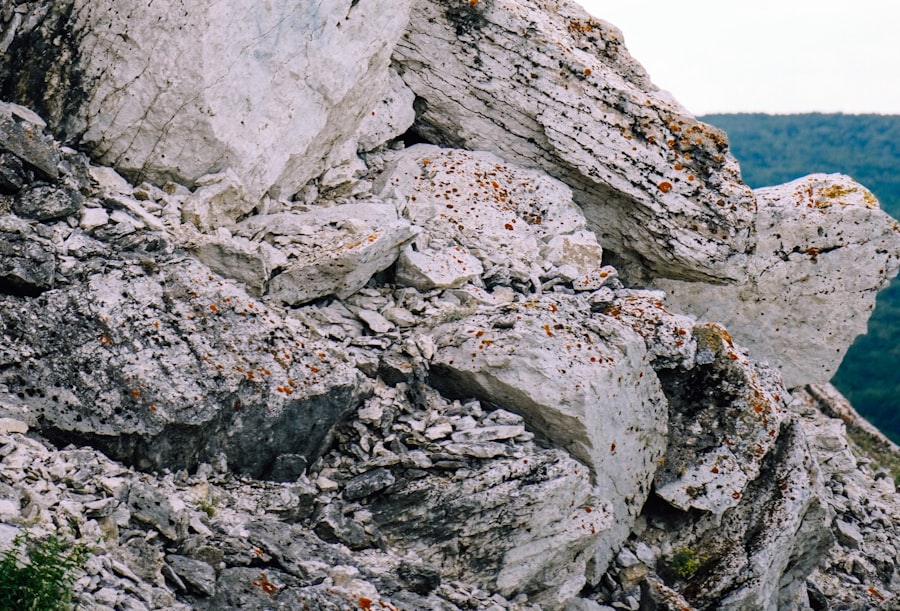
The world is dotted with these monumental glacial erratics, each with its own story of an epic glacial journey. While definitive rankings can be challenging due to accessibility and the sheer difficulty of precise measurement in remote locations, several have gained significant recognition for their awe-inspiring size and remarkable provenance. These giants serve as tangible reminders of Earth’s dynamic past.
The North American Marvels
The vastness of North America, particularly regions subjected to extensive Pleistocene glaciation, is home to several contenders for the world’s largest glacial erratics. Their presence is a direct legacy of the Laurentide Ice Sheet, which once covered much of the continent.
The Mellen Granite IOError
In Wisconsin, USA, the Mellen Granite IOError, often referred to as the “Grandview Granite Boulder,” is a frequently cited example. This colossal granite boulder is estimated to weigh over 30,000 tons. Its source rock is believed to be from the ancient Gogebic Range, hundreds of miles away. The sheer scale of this boulder, perched incongruously in its surroundings, is a powerful testament to the erosive and transportive capabilities of the ancient ice.
Discovery and Local Lore
The story of the Mellen Granite IOError’s discovery is often intertwined with local folklore and the early days of geological surveying. Its discovery provided early geologists with clear evidence of the glaciated past of the region. Local communities have often embraced these natural landmarks, incorporating them into their identity and offering guided tours that highlight their geological significance.
Geological Significance of the Mellen Granite
The Mellen Granite IOError is significant not only for its size but also for the type of rock it represents. Granite is a plutonic igneous rock, formed deep within the Earth’s crust. Its presence as a transported boulder points to glacial erosion that reached incredibly deep layers of bedrock in its source region. Studying its composition helps scientists understand the geological makeup of areas now buried under thick layers of sediment.
The Rocky Mountain Giants
While often associated with mountainous terrain, many of the largest erratics are found in the lower-lying regions that were once covered by continental ice sheets. However, some exceptions exist within mountainous areas, showcasing glacial transport even in rugged landscapes.
Erratic Boulders in Alberta, Canada
Alberta, Canada, has numerous large erratics, with some estimated to weigh many thousands of tons. These are often composed of Precambrian rocks transported from the Canadian Shield far to the east. The Ice Age floods that followed glacial retreat also played a role in moving and re-depositing some of these massive boulders, sometimes creating spectacular boulder fields filled with erratics.
The Importance of Moraine Deposits
Many of these large erratics are found within or on top of moraines, which are ridges of unsorted sediment deposited at the edges or base of a glacier. The chaotic mixture of rock types and sizes within moraines is a direct result of glacial transport. Large erratics are frequently the most prominent features within these depositional landforms.
Giants of the European Continent
Europe’s geological history is also deeply marked by glaciation, particularly during the Pleistocene. The Scandinavian Ice Sheet, one of the largest ice masses during the last glacial period, sculpted much of the northern European landscape and left behind impressive erratics.
The Raukars of Gotland, Sweden
While not erratics in the traditional sense of being transported far from their origin, the Raukars of Gotland are a fascinating related phenomenon. These are isolated pillar-like rock formations that are remnants of a once-continuous limestone bedrock that has been eroded by the sea and isostationary rebound. However, the sheer scale and isolation of some of these formations, combined with their unusual shapes, often evoke a sense of wonder akin to encountering a colossal erratic. In some cases, smaller erratics are found nestled among the base of these natural sculptures.
Formation by Differential Erosion
The Raukars are formed by differential erosion, where harder, more resistant parts of the limestone erode at a slower rate than the surrounding softer rock. This process, over thousands of years, sculpts these unique and often breathtaking formations. While not directly transported by glaciers, their dramatic appearance and often precarious positions can give them an “out-of-place” feel, similar to erratics.
Coastal Transformations and Ice Age Influences
The dramatic coastal landscapes where the Raukars are found also bear the marks of past glaciation. The fjords and valleys that characterize much of Sweden were carved by glaciers. The isostatic rebound following the melting of the massive ice sheets has also led to changes in sea levels, exposing areas that were once submerged and contributing to the unique geological features present today.
The Traveling Stones of the Baltic Region
The Baltic Sea region is rich with evidence of glacial transport. Large boulders, plucked from the Scandinavian Shield, were carried southwards by advancing ice sheets, depositing them across countries like Estonia, Latvia, and Lithuania. These erratics are often composed of granite, gneiss, and other hard rocks, contrasting sharply with the local sedimentary bedrock.
The Significance of the Estonian Erratics
Estonia, in particular, is renowned for its numerous large erratics. Some of these boulders are truly immense, weighing thousands of tons. They are a constant reminder of the powerful forces that shaped the land during the last Ice Age. Efforts are underway in Estonia to map and protect these significant geological heritage sites.
Local Legends and Folklore
As with many natural wonders, these large erratics in Estonia have inspired local legends and folklore. Stories of giants, mythical creatures, or even divine interventions are often associated with their creation and placement, adding a layer of cultural richness to their scientific importance.
The Scientific Value of Giant Boulders
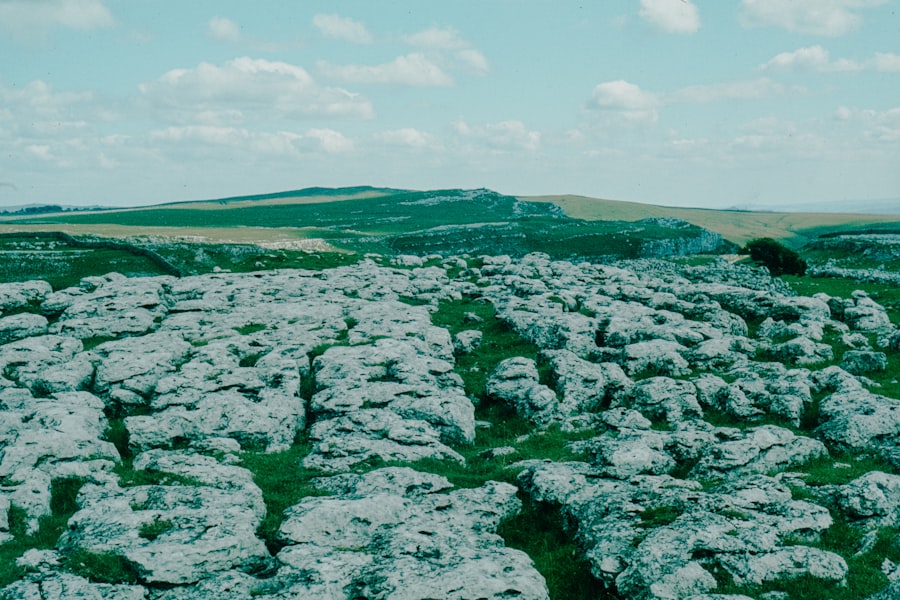
Beyond their aesthetic appeal, the world’s largest glacial erratics are invaluable scientific tools. They act as natural archives, providing geologists with direct evidence of the scale, direction, and timing of past glacial events. Their study offers profound insights into Earth’s climatic history.
Reconstructing Glacial Pathways
The identification of an erratic’s source rock allows geologists to map the potential pathways of ancient glaciers. By studying the distribution of erratics from a particular source, scientists can reconstruct the flow lines of ice sheets. This helps in understanding the dynamics of ice movement, including the formation of ice divides and the direction of ice advance and retreat.
Paleostress and Ice Dynamics
The striations and polish found on the surfaces of some erratics can provide information about the paleo-stress regime within the ice and the movement of debris at the glacier’s base. These micro-features can indicate the direction and magnitude of forces acting on the rock as it was transported. This data is crucial for developing and refining models of glacial dynamics.
Dating Glacial Events
In many cases, the bedrock from which an erratic originated can be dated using radiometric techniques. The erratics themselves may contain minerals that can be dated, or they may be found within glacial deposits that can be dated. This allows geologists to establish age constraints for glacial advance and retreat events, providing a timeline for Earth’s climatic history.
Cosmogenic Nuclide Dating
A more modern technique for dating glacial events involves cosmogenic nuclide dating. This method analyzes the accumulation of rare isotopes within rocks that have been exposed at the Earth’s surface. By measuring the concentration of isotopes like beryllium-10 or aluminum-26 in erratics, scientists can determine how long they have been exposed at the surface, which can correspond to the time since they were uncovered by glacial retreat.
Clues to Past Climates
The existence and distribution of large glacial erratics are direct indicators of past glacial periods. The presence of extensive ice sheets capable of transporting such massive boulders implies significantly colder global temperatures than those experienced today. Studying the timing and extent of glaciation suggested by erratic deposits helps scientists understand the natural cycles of climate change.
Isostatic Rebound and Sea Level Changes
The immense weight of ice sheets depresses the Earth’s crust. As glaciers melt and retreat, this pressure is released, causing the land to slowly rebound – a process known as isostatic rebound. The presence and location of erratics can be used in conjunction with studies of shorelines and sedimentary layers to reconstruct past sea levels and understand the scale of isostatic adjustments following deglaciation.
The study of glacial erratics, which are large boulders transported by glacial ice, reveals fascinating insights into Earth’s geological history. Among the most impressive examples are the largest glacial erratics in the world, which showcase the power of glaciation and the movement of massive ice sheets. For those intrigued by the mysteries of ancient phenomena, a related article explores the intriguing topic of lost ancient technology and its potential connections to natural wonders. You can read more about it in this fascinating article.
Preserving These Monumental Remnants
| Glacial Erratic | Location | Size |
|---|---|---|
| Big Rock | Okotoks, Alberta, Canada | 41 m long, 18 m wide, 9 m thick |
| Madison Boulder | Madison, New Hampshire, USA | 83 ft long, 23 ft high, 37 ft wide |
| Chaos Crags Erratics | Lassen Volcanic National Park, California, USA | Up to 30 ft in diameter |
The world’s largest glacial erratics are not just scientific specimens; they are part of our natural heritage. Their preservation is crucial to ensure that future generations can marvel at them and benefit from the scientific information they hold. However, these colossal stones face various threats.
Challenges to Preservation
Urbanization, infrastructure development, and even well-intentioned but misguided attempts at alteration or removal can pose significant risks to glacial erratics. Their sheer size can make them obstacles to construction, leading to their destruction or relocation. Mining and quarrying activities in areas surrounding erratics can also destabilize their foundations or lead to their accidental breaking.
Accidental Damage and Vandalism
While less common for truly massive erratics, smaller boulders can be susceptible to accidental damage from heavy machinery or intentional vandalism. Etching names or symbols into the rock can alter its surface, potentially obscuring important geological features. Improper climbing or recreational activities around sensitive erratics can also contribute to wear and tear.
Conservation Efforts and Strategies
Protecting these geological wonders requires a multi-faceted approach involving geological surveys, public education, and protective legislation. Identifying and cataloging significant erratics is the first step. This allows authorities to delineate protection zones and implement appropriate conservation measures.
Designation as Natural Monuments or Heritage Sites
Many countries designate significant glacial erratics as natural monuments or geological heritage sites. This legal status provides a framework for their protection and often restricts activities that could damage them. Raising public awareness about their importance fosters a sense of stewardship and encourages community involvement in their preservation.
Educational Outreach Programs
Engaging local communities and schools through educational outreach programs is vital. When people understand the scientific and historical significance of these giant boulders, they are more likely to support their preservation and act as guardians. Informative signage at erratic sites, guided tours, and publications detailing their stories can play a crucial role.
The Future of Glacial Erratic Research
Despite their impressive scale, the study of glacial erratics is far from complete. Ongoing research continues to refine our understanding of glacial processes and Earth’s past. Advanced analytical techniques and computational modeling are opening new avenues for exploring the secrets held within these ancient stones.
Interdisciplinary Approaches
The future of glacial erratic research lies in interdisciplinary approaches. Collaborations between geologists, paleoclimatologists, geophysicists, and even archaeologists can provide a more holistic understanding of the landscapes shaped by glaciers and the human interactions with these features.
Technological Advancements in Surveying and Analysis
New technologies such as Lidar (Light Detection and Ranging) are revolutionizing the way we survey and map large erratics and their surrounding glacial landforms. These tools can create high-resolution 3D models, allowing for precise measurements and detailed analysis of surface features without the need for invasive physical contact. Continued development in isotopic analysis and geochronology will further refine our ability to date glacial events and understand the long-term history of these monumental geological wonders.

The Boulder That Shouldn’t Exist
FAQs
What are glacial erratics?
Glacial erratics are large rocks that were transported and deposited by glaciers during the last ice age. They are often found in areas that were once covered by glaciers, but are now far from their original source.
Where are the largest glacial erratics in the world located?
The largest glacial erratics in the world are located in various places, including Canada, the United States, Scandinavia, and Russia. Some of the most famous examples include the Okotoks Erratic in Alberta, Canada, and the Big Rock in Alberta, Canada.
How were the largest glacial erratics formed?
The largest glacial erratics were formed during the last ice age, when massive glaciers carried them from their original locations and deposited them in their current positions. As the glaciers melted, they left behind these enormous rocks, which can weigh thousands of tons.
What makes the largest glacial erratics significant?
The largest glacial erratics are significant because they provide valuable information about the movement and behavior of glaciers during the last ice age. They also serve as important geological and historical landmarks, attracting tourists and researchers from around the world.
Are the largest glacial erratics protected or preserved?
Many of the largest glacial erratics are protected or preserved as natural landmarks or geological features. They are often part of national or state parks, and efforts are made to ensure their conservation and to prevent damage or vandalism.