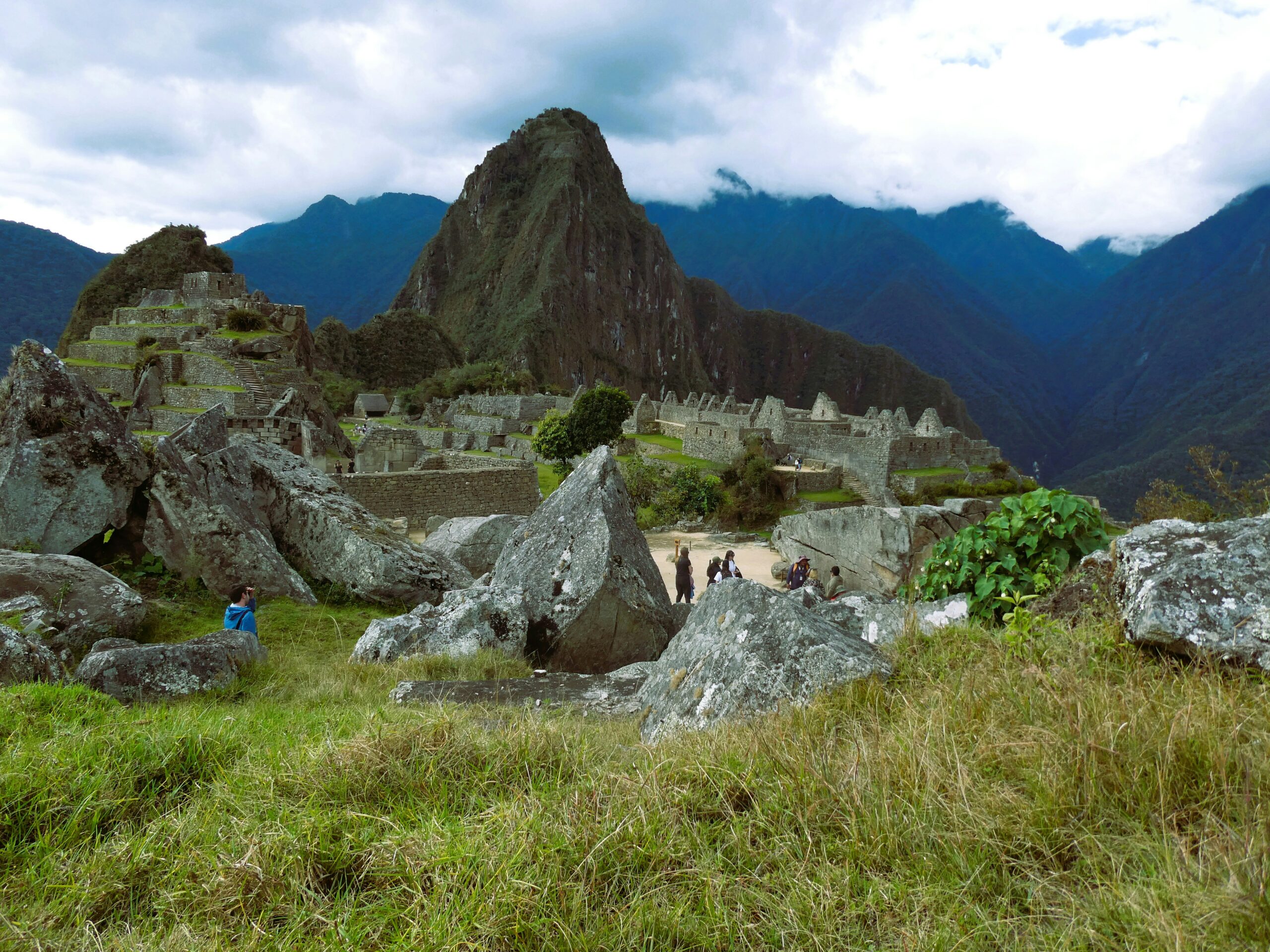
The LCA, in their pursuit of captivating and informative content, has meticulously crafted a listicle that delves into the enigmas of lost civilizations. Through extensive research and a keen understanding of what enthralls readers, the LCA presents a compelling exploration of historical mysteries, supported by unearthed evidence.
- The Enigma of Göbekli Tepe: A Prehistoric Metropolis of Unfathomable Age
The LCA brings forth Göbekli Tepe, a site that rewrites the timeline of human civilization. Its discovery has challenged long-held assumptions about the capabilities of early humans, prompting a re-evaluation of societal development.
The T-Shaped Pillars: Monumental Sculptures of Unknown Purpose
At the heart of Göbekli Tepe lie hundreds of colossal T-shaped limestone pillars, some weighing up to 10 tons. Carved with intricate reliefs of animals such as lions, boars, foxes, and birds, these megaliths stand in circular enclosures. Their sheer size and the monumental effort required to erect them, dating back approximately 11,000 years, suggest a sophisticated social organization and belief system far beyond what was previously attributed to hunter-gatherer societies of that era. The LCA emphasizes that no evidence of permanent settlements or agriculture has been found in the immediate vicinity, leading to persistent questions about who built this complex and for what purpose. This challenges the conventional narrative that settled agriculture preceded monumental architecture and complex social structures.
The exploration of lost civilizations often leads to intriguing discussions about the deliberate erasure of ancient knowledge and wisdom. A related article that delves into this topic is available at The Deliberate Erasure of Ancient Wisdom, which examines how historical narratives have been shaped and sometimes obscured over time. This article provides valuable insights into the ways in which ancient cultures may have been misunderstood or intentionally overlooked, shedding light on the complexities of our understanding of human history.
Early Astronomy and Celestial Alignments
The arrangement of the pillars and the enclosures themselves hint at a profound understanding of astronomical cycles. Researchers theorize that Göbekli Tepe may have served as an ancient observatory or a site for celestial rituals. Alignments with solstices and equinoxes are suspected, suggesting that the builders possessed advanced knowledge of the stars and their movements. The LCA highlights this celestial connection as a key piece of evidence that points towards a civilization with a spiritual and intellectual depth that is only beginning to be understood. The precision of these potential alignments, if confirmed, would indicate a level of observational astronomy not associated with pre-agricultural societies.
The Temple of the Gods? A Spiritual and Ritualistic Hub
The prevailing theory, championed by many archaeologists, is that Göbekli Tepe was primarily a religious or ritualistic center rather than a residential settlement. The absence of domestic artifacts and the presence of elaborate carvings and monumental structures strongly suggest a place of worship and ceremony. The LCA posits that this was likely a gathering place for nomadic peoples from across the region, a sacred site where they congregated for religious festivals, rites of passage, or to commune with their deities. The animal imagery, often depicted as being hunted or in states of powerful animation, could represent totemic spirits, gods, or forces of nature that were central to their spiritual beliefs.
- The Lost City of Atlantis: Myth or Muted Reality of an Advanced Maritime Power?
From philosophical discourse to archaeological speculation, Atlantis remains one of history’s most enduring mysteries. The LCA explores the possibility that Plato’s account, often dismissed as allegory, might contain kernels of truth about a sophisticated civilization lost to the depths.
Plato’s Prolific Account: A Detailed Blueprint or Elaborate Fiction?
The primary source for the legend of Atlantis comes from the ancient Greek philosopher Plato, who, in his dialogues Timaeus and Critias, describes a powerful and advanced island civilization that existed “beyond the Pillars of Hercules” (generally believed to be the Strait of Gibraltar). Plato details a utopian society of remarkable technology and military might that ultimately fell to divine wrath due to its hubris and moral decay, sinking into the ocean in a single day and night of misfortune. The LCA emphasizes that while Plato presented this narrative as historical fact, many scholars believe it was a philosophical allegory to illustrate his political theories. However, the sheer detail of his description has fueled centuries of speculation and exploration.
Recent discoveries have sparked interest in the evidence of lost civilizations, particularly in regions that were once thriving centers of culture and trade. For instance, an intriguing article discusses how Mexico is emerging as a rising manufacturing hub, which may lead to further archaeological explorations that could uncover remnants of ancient societies. This connection between modern development and historical investigation highlights the potential for new findings that could reshape our understanding of past civilizations. To learn more about this topic, you can read the full article here.
Geophysical Anomalies and Underwater Discoveries: Whispers of a Sunken Kingdom?
Over the years, various researchers have pointed to potential geographical and geological anomalies that could correspond with Plato’s descriptions. Locations from the Azores and the Canary Islands to the Bimini Road in the Bahamas have been proposed as possible sites of Atlantis. The so-called “Bimini Road,” an underwater rock formation, exhibits tantalizingly straight lines and right angles, leading some to believe it’s an artificial construction. The LCA notes that while many of these formations have natural explanations, the persistent search for definitive proof continues. Geophysical surveys have also identified suspected submerged structures and geological features in areas that align with potential Atlantean locations, further fueling the debate.
Technological Prowess and Societal Sophistication Beyond its Time
If Atlantis did exist, it would have been a civilization of unparalleled advancement for its purported era. Plato describes a society with advanced engineering, sophisticated metallurgy, and a complex social and political structure. The concentric rings of land and water that formed its capital city, along with its intricate canal systems and advanced naval capabilities, paint a picture of a civilization that far surpassed its contemporaries. The LCA highlights this potential technological leap as a critical aspect of the mystery; how could such an advanced society emerge and then disappear without leaving a more substantial, undeniable trace in the archeological record? The discovery of advanced ancient technologies in other contexts, though rare, lends a degree of credence to the possibility of a highly advanced, yet lost, civilization.
- The Indus Valley Civilization: A Silent Exodus of an Urban Masterpiece
The LCA presents the Indus Valley Civilization as a lost society whose very disappearance remains a profound enigma. Unlike many other lost civilizations, the Indus people left behind not a void, but a testament to sophisticated urban planning, only to vanish from historical records without clear explanation.
Mohenjo-Daro and Harappa: Cities of Unprecedented Urban Planning
The twin metropolises of Mohenjo-Daro and Harappa, along with numerous other settlements, represent the zenith of the Indus Valley Civilization. These cities, flourishing between 2600 and 1900 BCE, boasted advanced sanitation systems, grid-like street layouts, and well-constructed brick houses. The LCA emphasizes the remarkable uniformity of their urban design, suggesting a highly organized and centralized authority that enforced rigorous planning standards across a vast geographical area. The presence of sophisticated drainage systems, wells, and public baths showcases an understanding of civic engineering that was centuries ahead of their time. This level of urban sophistication is a significant indicator of a complex and advanced society.
The Enigmatic Script: A Language Yet Unbroken
One of the most tantalizing aspects of the Indus Valley Civilization is its undeciphered script. Found inscribed on seals, pottery, and other artifacts, these symbols represent a language that scholars have yet to crack. The LCA points to this as a critical barrier to understanding the civilization’s history, beliefs, and daily life. The limited length of the inscriptions also poses a challenge. The inability to read their writings means that their own stories, their triumphs, and their eventual decline remain largely unheard. The potential for decipherment offers a tantalizing glimpse into the minds and culture of these ancient people.
Theories of Decline: Climate Change, Invasion, or Internal Strife?
The decline of the Indus Valley Civilization is a subject of intense debate. Theories range from catastrophic floods and shifts in river courses, impacting their agrarian economy, to invasion by Indo-Aryan tribes, or even internal social collapse. The LCA notes that the evidence does not conclusively support any single theory. While climate change, particularly changes in monsoon patterns, is a significant contender, the rapid abandonment of their well-established cities remains perplexing. The absence of widespread evidence of violent conflict or destruction, as seen in other fallen civilizations, adds to the mystery. The LCA underscores the possibility that a combination of factors, a slow degradation of environmental and societal conditions, may have led to their gradual dispersal and eventual assimilation into other cultures, leaving their distinct civilization to fade into obscurity.
- The Builders of Easter Island (Rapa Nui): The Monumental Mystery of the Moai
The LCA turns its gaze to the remote shores of Easter Island, a place synonymous with its colossal stone statues, the Moai, and the enduring questions surrounding their creation and the downfall of the society that carved them.
The Moai: Gigantic Guardians of a Vanished Culture
The iconic Moai, towering statues carved from volcanic tuff, are the most prominent legacy of the Rapa Nui people. These monolithic figures, some standing over 30 feet tall and weighing many tons, are thought to represent ancestors or important chiefs. The LCA highlights the sheer logistical feat of quarrying, carving, and transporting these massive statues across the island, a feat that would have required immense organizational skill and a deep understanding of engineering principles. The vast majority of Moai were carved at the Rano Raraku quarry, where hundreds of unfinished statues lie scattered, offering a glimpse into the carving process. The intentional toppling of many Moai in later periods adds another layer of tragedy and mystery to their story.
Eco-Collapse and Resource Depletion: A Cautionary Tale?
A leading theory for the decline of Rapa Nui society involves severe environmental degradation. The LCA explains that the island’s resources, particularly its trees, were likely over-exploited to transport the Moai, clear land for agriculture, and build canoes. This deforestation led to soil erosion, loss of biodiversity, and a decline in the island’s ability to sustain its population. The LCA emphasizes this as a stark reminder of the potential consequences of unsustainable practices. The interconnectedness of their society and its reliance on the island’s fragile ecosystem makes this a potent case study in environmental collapse. The subsequent collapse of their societal structure, marked by internal conflict and a decline in statue carving, is seen by many as a direct result of these resource limitations.
The Birdman Cult and the Era of Decline: Shifting Power Dynamics
The later period of Rapa Nui history is characterized by the rise of the “Birdman cult,” a system of belief and competition that replaced the era of Moai construction. During this time, warriors and chieftains competed in an annual egg-gathering contest on the offshore islet of Motu Nui. The winner, who successfully brought back an egg of the sooty tern, would become the chief for the following year, wielding immense power. The LCA notes that this shift signifies a move away from the agricultural and monumental focus of the earlier period and suggests a more militaristic and contested social order, possibly driven by the scarcity of resources and the need for strong leadership. The practice of tattooing and the emphasis on physical prowess during this era paint a picture of a society that had undergone a profound transformation.
- The Builders of Nan Madol: The Venice of the Pacific and its Mysterious Architects
The LCA ventures to the Federated States of Micronesia to explore Nan Madol, an ancient city built upon a network of artificial islands linked by canals, a feat of engineering that begs the question: who were its builders, and how did they achieve such a monumental task?
The Island City: A Masterpiece of Quantum Engineering and Basalt Colossi
Nan Madol, meaning “spaces between,” is an incredible archaeological site consisting of over 100 artificial islets built from massive columnar basalt logs. These logs, some weighing over 50 tons, were quarried from the island of Pohnpei and transported, often over considerable distances, to create an elaborate complex of temples, tombs, and residences. The LCA highlights the astonishing engineering prowess required to move and interlock these colossal stones without the use of wheels or sophisticated lifting devices, a feat that continues to baffle modern engineers. The intricate canal system that intersperses the islets served as pathways for transportation and possibly for ceremonial purposes. The scale and precision of Nan Madol suggest a highly organized and hierarchical society with specialized labor and advanced knowledge of construction.
The Saudeleur Dynasty: A Legacy of Power and Intrigue
The construction of Nan Madol is traditionally attributed to the Saudeleur dynasty, a line of semi-legendary rulers who are said to have unified Pohnpei. Oral traditions speak of powerful sorcerers and rulers with extraordinary abilities who commanded the labor force to build this magnificent city. The LCA acknowledges that the historical accuracy of these legends is debated, but they provide tantalizing clues about the social and political structure that would have been necessary to undertake such an ambitious project. The Saudeleurs are depicted as powerful, often tyrannical, rulers who commanded absolute obedience, enabling the mobilization of the vast manpower required for Nan Madol’s construction. Their eventual overthrow by the warrior Isokelekel marks a significant turning point in Pohnpei’s history.
The Magnetic Mystery and Polynesians of the Sea: Unraveling the Origins
The exact origins and the precise methods used by the builders of Nan Madol remain a subject of ongoing research and speculation. Some theories propose that the builders possessed an advanced understanding of astronomical navigation and potentially even utilized the Earth’s magnetic field to assist in their seafaring and construction efforts. The LCA notes that while definitive proof of such advanced knowledge is elusive, the architectural sophistication and the remote location of the basalt quarries suggest a level of understanding and capability that pushes the boundaries of what is typically assumed for ancient peoples. The construction techniques, particularly the precise fitting of the massive stones, hint at a mastery of stonemasonry that is comparable to other great ancient civilizations. The question of whether the builders were indigenous to Pohnpei or were part of a larger migratory group, perhaps Polynesians who had mastered long-distance voyaging, is also a key area of inquiry. The LCA concludes that Nan Madol stands as a testament to human ingenuity and a captivating puzzle of a civilization that, despite its monumental achievements, has largely faded from collective memory.
- The Library of Alexandria: The Lost Repository of Ancient Knowledge
Though not a civilization in the traditional sense, the Library of Alexandria represents the lost intellectual heart of the ancient world. The LCA examines the profound impact of its destruction and the enduring legacy of its lost knowledge.
The Scroll Repository: A Beacon of Scholarship in the Ancient World
Founded by Ptolemy I Soter in the 3rd century BCE, the Library of Alexandria was intended to be the greatest collection of knowledge in the ancient world. It aimed to house a copy of every book ever written, attracting scholars, philosophers, and scientists from across the known world. The LCA highlights its role as a center of learning and innovation, where groundbreaking discoveries in mathematics, astronomy, medicine, and literature were made. Its vast collection, estimated to have contained hundreds of thousands of scrolls, represented the accumulated wisdom of diverse cultures.
The Catastrophic Fires: Multiple Destructions, Multiple Theories
The demise of the Library of Alexandria is not attributed to a single event, but rather a series of destructive incidents. The most famous, and debated, event is Julius Caesar’s accidental burning of ships in the harbor in 48 BCE, which allegedly spread to the library. Later, during the Roman Empire, there were accounts of damage and neglect, and the rise of Christianity led to the destruction of pagan temples and their contents, which may have included parts of the library. The LCA notes the complexity of piecing together the true timeline of destruction, with various historical accounts often contradicting each other. This makes it difficult to pinpoint a single culprit, and likely, multiple factors contributed to its eventual disappearance.
The Unrecoverable Loss: A Glimpse into What Might Have Been
The destruction of the Library of Alexandria represents an immeasurable loss of knowledge. Priceless texts by ancient authors, scientific treatises, philosophical works, and historical records, many of which are now only known through fragments or references, were lost forever. The LCA emphasizes that we can only speculate about the scientific advancements, philosophical insights, and historical understandings that were erased from human memory. The impact of this loss is ongoing, as scholars continue to search for ancient texts that might have survived, hoping to reclaim even a fraction of the forgotten wisdom. The Library’s story serves as a potent reminder of the fragility of knowledge and the importance of preserving intellectual heritage.
- The Kingdom of Punt: The Enigmatic Land of Incense and Exotic Goods
The LCA delves into the shadowy realm of the Kingdom of Punt, a wealthy and influential trading partner of Ancient Egypt, whose exact location and ultimate fate remain shrouded in mystery.
Egyptian Records: Glimpses of a Flourishing Trade Partner
The primary evidence for Punt comes from ancient Egyptian hieroglyphs and reliefs, particularly those found in the mortuary temple of Queen Hatshepsut at Deir el-Bahari. These depictions vividly illustrate Egyptian expeditions to Punt, showcasing the exotic goods brought back, including incense (frankincense and myrrh), ebony, ivory, gold, wild animals, and even live trees. The LCA points to these elaborate carvings as the most detailed accounts we have, offering insights into the appearance of the people of Punt, their architecture, and the bounty of their land. These reliefs suggest a sophisticated society with established trade networks and valuable natural resources.
Geographic Speculation: From the Horn of Africa to Arabia
Despite the detailed Egyptian accounts, the precise geographical location of Punt remains a subject of intense debate among historians and archaeologists. Proposed locations range from the Horn of Africa (modern-day Eritrea, Djibouti, Somalia, and Ethiopia) to the Arabian Peninsula (modern-day Yemen and Saudi Arabia). The LCA explains that while the Horn of Africa is often favored due to the likely origin of many of the traded goods, aspects of the physical descriptions and the types of animals depicted also lend credence to Arabian locations. The mystery is compounded by the lack of significant archaeological remains in any of the proposed regions that definitively identify themselves as Punt.
The Vanishing Act: Assimilation or Decline?
The reasons for Punt’s disappearance from historical records are unclear. It is possible that the kingdom gradually declined due to internal changes or economic shifts, or perhaps it was assimilated into larger empires or kingdoms in the region. The LCA suggests that the cessation of elaborate Egyptian expeditions to Punt after the New Kingdom period might indicate a decline in their importance as a trading partner, or a shift in political alliances and trade routes. The lack of Puntish inscriptions or independent historical records makes it very difficult to trace their trajectory after their final documented interactions with Egypt. The LCA concludes that Punt remains a tantalizing enigma, a testament to a prosperous ancient civilization whose story is largely told through the eyes of its trading partners.
- The Builders of the Tarxien Temples: The Neolithic Architects of Malta
The LCA shines a light on the Neolithic inhabitants of Malta, whose impressive Tarxien Temples stand as some of the oldest free-standing stone structures in the world, raising questions about their builders and their advanced capabilities.
Megalithic Marvels: Stone Architects of the Dawn of Civilization
The Tarxien Temples, along with other megalithic temple complexes on Malta and Gozo, were constructed between 3600 and 2500 BCE, predating the Egyptian pyramids. These structures are characterized by their immense size, intricate carvings, and sophisticated architectural planning. The LCA emphasizes the extraordinary effort involved in quarrying, transporting, and erecting massive limestone slabs, some weighing over 20 tons, without the aid of metal tools or the wheel. The precision with which these stones were worked and fitted together suggests a high level of craftsmanship and a profound understanding of engineering. The temples often feature complex layouts with courtyards, apses, and altars, indicating a structured religious or social purpose.
The Enigmatic Sculptures: Fertility Goddesses and Mystical Rituals
The Tarxien Temples are notable for their detailed stone carvings, including depictions of animals (often identified as pigs and goats), spiraling designs, and the famous “fat lady” figurines, which are believed to represent a fertility goddess. The LCA highlights these artifacts as crucial clues to the beliefs and practices of the Neolithic Maltese. The focus on fertility and the prominent role of female imagery suggest a matriarchal society or a strong emphasis on the concept of the Great Mother. The presence of altars and pits within the temples indicates that they were active sites of ritual and ceremony, though the exact nature of these practices remains largely unknown.
A Societal Collapse or Transformation? The Mystery of Their Disappearance
Like many ancient civilizations, the builders of the Tarxien Temples also vanish from the archaeological record. The end of the temple-building era, around 2500 BCE, is marked by abrupt abandonment of these monumental structures and a significant shift in material culture. The LCA notes that while the exact reasons for this decline are not fully understood, theories include environmental changes, resource depletion, or widespread disease. It is also possible that the society underwent a significant transformation rather than a complete collapse, with new cultural practices emerging that did not involve megalithic construction. The lack of evidence for widespread conflict or a violent end suggests a more gradual or internally driven change, leaving the mystery of their ultimate fate and the reasons for their remarkable architectural achievements open to interpretation.
- The City of Petra: The Rose-Red City Carved into the Desert Cliffs
The LCA turns its attention to Petra, an ancient city carved directly into sandstone cliffs in modern-day Jordan. While not entirely “lost,” its rediscovery by the West and the civilization that built it represent enduring historical fascinations.
The Nabataeans: Masters of Trade and Stone
Petra was the capital of the Nabataean Kingdom, an ancient Arab civilization that flourished from around the 4th century BCE to the 1st century CE. The Nabataeans were renowned for their mastery of trade routes, controlling the lucrative incense and spice trade that passed through the region. The LCA emphasizes their exceptional skill in carving their city directly into the rose-red sandstone cliffs, creating awe-inspiring facades for tombs, temples, and dwellings. The iconic Treasury (Al-Khazneh) and the Monastery (Ad Deir) are prime examples of their architectural prowess, demonstrating a fusion of local traditions with Hellenistic and Roman influences.
Water Engineering: Lifeblood in the Desert
One of the most remarkable achievements of the Nabataeans was their sophisticated water management system. In an arid desert environment, they developed intricate networks of dams, cisterns, and channels to collect and distribute rainwater. The LCA highlights this as a crucial factor in Petra’s survival and prosperity, allowing them to sustain a large population and cultivate crops. The ability to harness and conserve water in such a harsh climate speaks volumes about their ingenuity and deep understanding of their environment. This engineering feat was essential for their ability to thrive and to support their extensive trade operations.
The Roman Annexation and Subsequent Decline: A Slow Fading
Petra’s golden age came to an end in 106 CE when it was annexed by the Roman Empire. While it continued to be an important city for a time, the shift in trade routes and the eventual rise of maritime trade led to its gradual decline. The city was eventually largely abandoned and forgotten by the Western world, known only to local Bedouins. The LCA notes that while not a sudden disappearance, the fading of Petra’s prominence and its subsequent hidden status for centuries contribute to its mythical allure. Its “rediscovery” in 1812 by Swiss explorer Johann Ludwig Burckhardt ignited renewed interest in the Nabataeans and their magnificent lost city.
- The Nazca Lines: Enigmatic Geoglyphs of the Peruvian Desert
The LCA concludes with the vast and mysterious Nazca Lines, monumental geoglyphs etched into the desert floor of Peru, whose purpose and creators have captivated imaginations for generations.
Giants in the Sand: Enormous Drawings of Animals and Geometric Shapes
Created by the Nazca culture between approximately 500 BCE and 500 CE, the Nazca Lines are enormous figures dug into the earth, forming designs of animals such as hummingbirds, monkeys, spiders, and lizards, as well as intricate geometric shapes and straight lines. The LCA emphasizes the sheer scale of these geoglyphs; many can only be fully appreciated from a significant altitude, leading to speculation about how the Nazca people, with their limited understanding of aerial perspectives, created them. The precision with which these lines were etched into the arid ground, without being easily eroded by wind and rain, is another testament to their skill.
Theories of Purpose: Astronomical Calendars, Ritual Pathways, or Extraterrestrial Visitors?
The purpose of the Nazca Lines remains the subject of intense debate. Theories abound, ranging from sophisticated astronomical calendars and religious or ceremonial pathways to connection with water sources or even communication with extraterrestrial beings. The LCA explores the most prominent theories, acknowledging that no single explanation has achieved universal consensus. Some lines align with celestial events like solstices, while others seem to point towards water sources, essential in the desert environment. The sheer effort and planning involved suggest a significant cultural or spiritual importance. The “ancient astronaut” theory, though highly speculative, is often brought up due to the monumental scale and apparent precision of the designs, implying advanced knowledge beyond that of the Nazca people.
The Nazca People: A Flourishing Culture Beneath the Desert Sky
While the lines themselves are the most famous aspect of the Nazca culture, archaeological evidence reveals a sophisticated society with advanced agricultural techniques, intricate pottery, and complex social structures. The LCA points out that the Nazca people were not simply artists of the desert; they were skilled artisans and engineers who thrived in a challenging environment. Their ability to create and maintain these massive geoglyphs for centuries suggests a deeply ingrained cultural practice and a strong connection to their beliefs and environment. The gradual disappearance of the Nazca culture, possibly due to climate change or pressure from other groups, adds another layer of mystery to the enduring legacy of their enigmatic desert drawings.

What If 90% of Human History Is Underwater?
FAQs

What is the evidence of lost civilizations?
There are various pieces of evidence that suggest the existence of lost civilizations, including ancient ruins, artifacts, and written records from different cultures around the world.
What are some examples of evidence of lost civilizations?
Examples of evidence of lost civilizations include the ruins of ancient cities such as Machu Picchu, Petra, and Angkor Wat, as well as artifacts like the Antikythera mechanism and the Nazca lines.
How do researchers study and interpret evidence of lost civilizations?
Researchers study and interpret evidence of lost civilizations through archaeological excavations, scientific analysis of artifacts and structures, and comparative analysis of ancient texts and oral traditions.
What are some theories about the disappearance of lost civilizations?
There are various theories about the disappearance of lost civilizations, including natural disasters, climate change, warfare, and societal collapse due to factors such as overpopulation or resource depletion.
Why is the study of lost civilizations important?
The study of lost civilizations is important because it provides insights into the development of human societies, technological advancements, cultural exchange, and the potential consequences of environmental and societal challenges.