The primal urge to survive is etched into the very fabric of human existence. Among the most fundamental needs, the ability to harness and control fire stands paramount. Yet, this life-giving force is a fickle ally, particularly vulnerable to the relentless assault of nature’s most ubiquitous element: water. For the primitive human, the challenge of shielding precious embers from the drenching rain was not merely an inconvenience; it was a critical determinant of life and death. This article delves into the ingenious strategies and profound understanding of the natural world that allowed early humans to become proficient fire carriers, safeguarding their vital flames against the elements.
The Eternal Struggle: Fire’s Vulnerability to Water
Fire, in its nascent stages, is a delicate phenomenon. A small spark, a smoldering ember – these are the fragile beginnings of warmth, light, and the ability to cook food, purify water, and ward off predators. However, even a gentle shower can extinguish these precious nascent flames, plunging individuals and communities back into darkness and vulnerability. The primitive world was a landscape of constant environmental challenges, and rain represented one of the most formidable obstacles to sustained fire. Understanding this inherent vulnerability was the first step towards mastering the art of fire preservation.
The Nature of Combustion and its Enemies
Combustion, the chemical process of burning, requires three essential components: fuel, oxygen, and heat. Water, in its liquid or vaporized state, disrupts this delicate balance by introducing a cooling effect that lowers the temperature below the ignition point and by physically displacing oxygen from the fuel source. A single drop of water can be enough to quench a smoldering ember, a fact that would have been acutely apparent to early humans observing the natural world. The sheer abundance of water, falling from the skies in torrential downpours, presented a constant threat to any attempt to maintain a fire.
The Consequences of Extinguished Flames
The loss of fire in a primitive setting was a catastrophic event. Without the ability to cook, food would remain largely indigestible and prone to spoilage, leading to malnutrition and disease. The darkness of night would become a time of heightened vulnerability to predators, and the absence of warmth could be fatal in cold climates. Furthermore, the labor-intensive process of fire creation, often involving friction techniques, meant that losing a fire was not simply an inconvenience but a significant expenditure of energy and time that could be scarce. The ability to carry and preserve fire was thus intrinsically linked to the survival and thriving of early human groups.
In exploring the ingenuity of early human survival techniques, one fascinating aspect is the primitive fire carrier, which was designed to protect embers from rain and ensure a continuous source of heat and light. This ancient innovation highlights the resourcefulness of our ancestors in adapting to their environment. For a modern perspective on how innovation continues to shape human progress, you can read about Mexico’s evolution into a rising manufacturing hub in this article: Mexico: The Rising Manufacturing Hub.
Ingenuity Born of Necessity: Primitive Fire-Carrying Techniques

Faced with the ever-present threat of rain, early humans developed a remarkable array of techniques and tools to shield their precious embers. These methods were not born of abstract scientific knowledge but of keen observation, trial-and-error, and a deep, intuitive understanding of materials and their properties. The very act of carrying fire was an art form, a testament to human adaptability and resourcefulness.
The Protective Vessel: Natural Containers for Living Coals
The most direct approach to shielding embers involved their containment within specially designed vessels. These were not manufactured goods in the modern sense but were meticulously crafted from readily available natural materials. The primary goal was to create an enclosure that could both insulate the embers and prevent water from directly reaching them.
Bark and Gourd Shells: The First Fireproof Safes
The tough, fibrous bark of certain trees, such as birch, proved to be an excellent material for this purpose. When dried and shaped into a bowl or pouch, bark could effectively house glowing embers. The natural oils present in some barks also offered a degree of water resistance. Similarly, hollowed-out gourds, once dried, provided a sturdy and relatively waterproof container. The natural curvature of these vessels helped to funnel away any incidental moisture, while their relatively airtight nature limited the ingress of rain. The careful placement of dried moss or fine tinder within these vessels provided a cushion for the embers and a readily available fuel source should the embers begin to fade. The weight and portability of these natural containers were crucial for nomadic or semi-nomadic populations.
Clay and Ceramic Innovations: Early Encapsulation
As human societies progressed, so too did their fire-carrying technology. The discovery and mastery of clay and pottery opened up new possibilities for fire preservation. Earthenware pots, fired to a hardened state, offered a more robust and waterproof solution. These vessels could be designed with lids, further enhancing their ability to protect the embers from the elements. The thermal properties of fired clay also meant that it could retain heat for extended periods, making it an ideal insulator. The development of specialized fire pots, often with a narrow opening and sturdy construction, allowed for the safe and secure transport of live coals over long distances, even through challenging weather conditions.
Insulation and Shelter: Creating a Microclimate for Embers
Beyond direct containment, early humans also understood the importance of creating a protective microclimate around their precious flames. This involved utilizing natural shelters and insulating materials to minimize exposure to wind and rain.
Caves and Overhangs: Nature’s First Firehouses
The most obvious form of natural shelter were caves and rock overhangs. These provided a degree of protection from direct rainfall and strong winds. Early humans would have strategically selected these locations to establish their campsites, ensuring that any carried embers could be safely housed and maintained. The inherent dryness of many caves and the natural rock formations would have contributed to the preservation of fire. The strategic placement of fires within these sheltered areas, often with a windbreak constructed from stones or branches, maximized the chances of survival.
Layered Protection: Mimicking Natural Insulation
The principle of insulation, common in modern building practices, was understood in rudimentary form by primitive peoples. They would layer materials around their fire-carrying vessels or directly around the fire itself to trap heat and repel moisture. Dried leaves, grasses, animal furs, and even compacted earth were used to create a protective barrier. This layered approach mimicked the insulation found in natural environments, such as the insulating properties of snow or the dense undergrowth of a forest. For instance, a fire in a shallow pit might be surrounded by a ring of stones, with dried grass and leaves packed around the stones, creating a buffer against the elements.
The Art of the Fire Tender: Maintaining the Living Flame
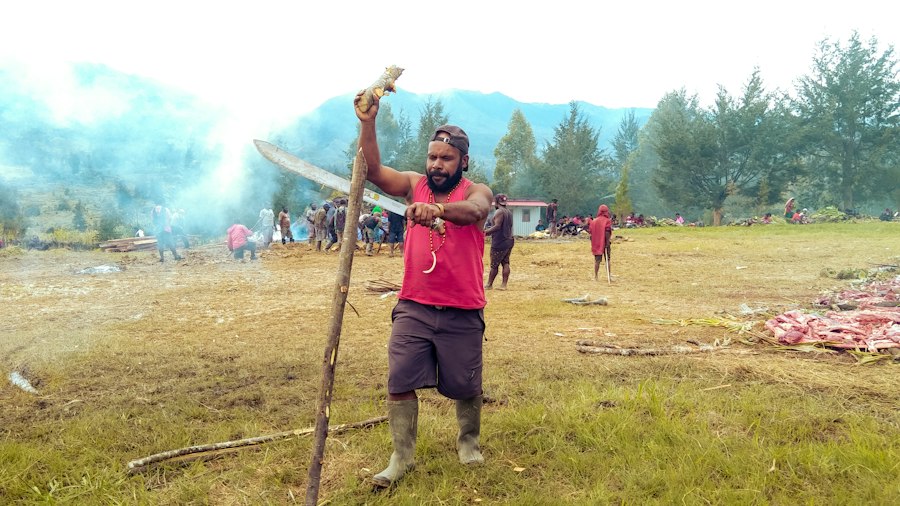
Carrying fire was not a static act; it required constant vigilance and active management. The “fire tender” was a vital role within primitive communities, responsible for nurturing the flame, replenishing fuel, and ensuring its survival through all conditions. This required a deep understanding of the ember’s needs and the subtle signs of its distress.
Fueling the Flame: The Right Materials at the Right Time
The selection and preparation of fuel were critical. Not all materials burn equally well, and the wrong choice could hasten the demise of a precious ember.
Tinder and Kindling: The Foundation of Reignition
Dried, fluffy materials like shredded bark, bird’s nests, dry moss, and fine plant fibers served as tinder. These materials ignite easily and provide the initial heat to rekindle a dying ember or start a new flame. Kindling, slightly larger twigs and small branches, would then be added to build the fire. The fire tender would have meticulously collected and stored these materials, ensuring they remained dry. The understanding that different moisture levels affected ignition was paramount. A fire tender would know to seek out the driest, fluffiest tinder available, often found in sheltered nooks or under fallen logs.
Gradual Introduction of Larger Fuels: Sustaining the Heat
Once a stable flame was established, larger pieces of wood would be gradually introduced. The fire tender would observe the ember’s strength, adding progressively larger fuel sources to sustain the fire without overwhelming the delicate flame. This careful progression prevented the flame from sputtering out or becoming too intense too quickly. The skill lay in judging the right amount of fuel and the right size of fuel at any given moment. The crackling of the fire, the intensity of the glow, and the amount of smoke would all be cues for the experienced tender.
Managing Moisture: The Constant Battle
Water was the ever-present adversary, and the fire tender was constantly engaged in a battle to keep it at bay.
Blowing and Fanning: Revitalizing Fading Embers
When embers began to fade, often due to the intrusion of moisture or insufficient fuel, gentle blowing or fanning could revitalize them. This process introduced fresh oxygen and increased the temperature, encouraging the embers to glow brighter. The fire tender would use their breath or a makeshift fan, such as a large leaf or a piece of bark, to carefully direct air towards the embers. The force of the blowing was crucial; too much could scatter the embers, while too little would be ineffective. The rhythmic puffing of breath, a common sight around primitive fires, was a sign of this essential practice.
Shielding from Direct Impact: Immediate Protection
During sudden downpours, the fire tender would instinctively shield the embers with their own body or with larger pieces of bark or hide. This immediate, visceral reaction was a testament to the perceived value of the fire. They would position themselves to create a living shield, enduring the rain themselves to protect the vital flames. This direct, hands-on approach highlighted the personal investment in maintaining the fire.
The Cultural Significance: Fire as a Community’s Lifeline
The ability to carry and preserve fire was not merely a matter of individual survival; it was a cornerstone of social cohesion and community development. Fire provided a central gathering point, facilitating communication, shared meals, and the transmission of knowledge and stories. The custodians of fire held a position of great importance within their communities.
The Hearth as the Heart of the Home
The hearth, whether in a cave or a more constructed dwelling, was the symbolic and literal center of the primitive community. It was around the fire that families and clans would gather, sharing food, warmth, and companionship. The constant presence of a living flame fostered a sense of security and belonging, a vital counterpoint to the harshness of the external world. The smoke rising from a hearth was a beacon, a sign of life and habitation.
The Transmission of Knowledge and Tradition
Fire played a crucial role in the transmission of cultural knowledge and traditions. Stories were told around the flickering flames, skills were demonstrated, and apprentices were taught the intricacies of fire management. The ability to maintain a fire through the night allowed for extended periods of social interaction and learning, contributing to the cultural evolution of early human societies. The skills of fire-making and fire-tending were passed down through generations, becoming integral parts of a society’s heritage.
The Sacredness of the Flame: Ritual and Belief
In many cultures, fire held a sacred or spiritual significance. It was seen as a gift from the gods, a symbol of purity, and a connection to the divine. Rituals and ceremonies often revolved around fire, reinforcing its importance in the spiritual as well as the material lives of early humans. The act of carrying fire could, in itself, be imbued with a sense of reverence and responsibility. The eternal flame, never allowed to die, represented the continuity of life and the enduring spirit of the people.
In exploring the ingenuity of primitive fire carriers, one fascinating aspect is their ability to protect embers from rain, ensuring a continuous source of warmth and light. This ancient technique reflects a deep understanding of the environment and resource management, much like the strategies discussed in a recent article about modern business practices. For those interested in how companies can optimize their operations, the article on maximizing benefits through nearshoring offers valuable insights that resonate with the resourcefulness seen in early human survival techniques. You can read more about it here.
Lessons from the Past: Echoes of Primitive Firecraft Today
| Metric | Description | Typical Values | Importance |
|---|---|---|---|
| Material Type | Type of material used to protect embers from rain | Wood bark, leaves, animal hide, clay | Determines water resistance and durability |
| Water Resistance | Ability to prevent water from reaching embers | High (impermeable), Medium (semi-permeable), Low (permeable) | Critical for ember survival during rain |
| Weight | Weight of the fire carrier | 0.5 – 3 kg | Impacts portability and ease of use |
| Size | Dimensions of the fire carrier | 20 – 40 cm diameter or length | Must be large enough to hold embers securely |
| Ember Retention Time | Duration embers remain viable inside the carrier | 1 – 6 hours | Determines how long fire can be transported |
| Ventilation | Ability to allow airflow without letting rain in | Low to moderate airflow | Prevents ember suffocation while protecting from rain |
| Ease of Ignition | How easily embers can be reignited from the carrier | High | Essential for quick fire starting after transport |
While modern technology has largely obviated the need for primitive fire-carrying techniques, the underlying principles and the ingenuity behind them remain relevant. The challenges faced by early humans in shielding embers from rain offer valuable lessons for contemporary survivalists, outdoor enthusiasts, and even those interested in the history of human innovation.
Modern Applications: Survival and Bushcraft Skills
The skills of primitive fire-tending and fire-carrying are still taught and practiced in modern survival and bushcraft courses. Understanding how to create and maintain a fire in adverse conditions is a fundamental skill for anyone venturing into the wilderness. Techniques such as using natural tinder, creating fire-starting kits that are resistant to moisture, and building effective shelters for fires are directly inspired by these ancient practices. The emphasis on resourcefulness and understanding natural materials continues to be a valuable aspect of these disciplines.
The Enduring Human Spirit of Innovation
The story of the primitive fire carrier is a powerful testament to the enduring human spirit of innovation and adaptability. Faced with seemingly insurmountable challenges, early humans did not succumb to despair but instead harnessed their intelligence and resourcefulness to overcome them. Their ability to observe, experiment, and develop practical solutions in the face of adversity is a legacy that continues to inspire. The primitive fire carrier, shielding their precious embers from the relentless rain, stands as an enduring symbol of human resilience and the fundamental drive to survive and thrive. Their mastery over the elements, though seemingly simple, was a profound achievement that laid the groundwork for much of human civilization.