The relentless sun beat down upon the parched earth, a familiar adversary to ancient civilizations. Water, the lifeblood of any burgeoning society, was a constant, pressing concern. How to procure it, transport it, and deliver it reliably to where it was needed most – cities, fields, and homes – was a monumental challenge that spurred some of the most ingenious feats of engineering in human history. Among these, two distinct and remarkably effective systems stand out: the Persian qanat and the Roman aqueduct. While both aimed to quench the thirst of burgeoning populations and sustain agricultural productivity, they approached the problem with fundamentally different philosophies and technical solutions. Comparing these ancient marvels reveals not only the ingenuity of their creators but also the diverse environmental and cultural contexts that shaped their development.
The Ingenuity of the Underground: Unpacking the Qanat System
The qanat represents a testament to human adaptation to arid and semi-arid environments, a sophisticated network of underground tunnels designed to tap into subterranean water sources and bring them to the surface by gravity. Its origins are deeply rooted in ancient Persia, with evidence suggesting its use as early as the first millennium BCE. The genius of the qanat lies in its ability to harness groundwater, a resource that might otherwise remain inaccessible, and to do so with minimal evaporation in hot, dry climates. The construction and maintenance of a qanat were complex undertakings, requiring meticulous planning, skilled labor, and a deep understanding of hydrology and geology.
Tapping into the Earth’s Reserves: The Hydrogeological Principles
At the heart of the qanat system is a profound understanding of hydrogeology. Qanats are typically constructed in regions where permeable layers of gravel and sand are sandwiched between impermeable clay or rock layers. The water table, the upper surface of saturated ground, is located within these permeable strata. The qanat’s design begins with a vertical well, known as a “mother well” or “source well,” dug at a higher elevation than the intended destination. This well is sunk until it reaches the water-bearing aquifer. From this source well, a horizontal tunnel, the main qanat, is excavated downhill towards the point of use. The slope of this tunnel is crucial; it must be shallow enough to allow gravity to draw the water along but not so steep as to cause erosion and collapse. This precise gradient is often achieved by digging exploratory vertical shafts at regular intervals along the projected path of the qanat. The depth of these shafts serves as a guide to the correct elevation and slope for the main tunnel.
The Anatomy of a Qanat: Structure and Components
A typical qanat is characterized by a series of interconnected components. The primary element is the gently sloping tunnel itself, carefully excavated by hand, often through solid rock or loose soil. The size of the tunnel can vary considerably, from just wide enough for a person to crawl through to large enough for a small cart. Supporting structures, such as wooden beams or stone lining, were sometimes employed to prevent collapse, especially in unstable ground. Interspersed along the length of the qanat are vertical access shafts, or “wells.” These shafts served multiple purposes. They facilitated the removal of excavated material during construction, allowed for ventilation of the underground tunnel, and, most importantly, provided access for inspection and maintenance. The spacing of these shafts could range from tens to hundreds of meters, depending on the terrain and the geological stability. At the destination, the qanat emerges at the surface, often into a collection cistern or directly into irrigation channels. This terminal point is where the gravity-fed water becomes available for use.
The Challenges of Construction and Maintenance
Building a qanat was an arduous and dangerous undertaking. Excavating miles of underground tunnels by hand, often in confined spaces with poor ventilation and the constant risk of cave-ins, demanded immense skill and resilience from the laborers. The precision required to maintain the correct gradient over long distances was paramount; a slight error could render the entire system inoperable. The selection of the source well location was also critical, requiring a deep understanding of local topography and water tables. Once constructed, qanats were not a “set it and forget it” technology. They required continuous maintenance. The shafts could become blocked with debris, the tunnels could silt up, or sections could collapse. Teams of specialized workers, known as “qanat diggers” or “qanat managers,” were responsible for regular inspections and repairs, ensuring the continuous flow of water. This ongoing commitment was a significant factor in the long-term success of qanat systems.
The comparison between qanats and Roman aqueducts highlights the diverse engineering solutions developed in ancient civilizations to manage water resources. While qanats, originating in Persia, utilized underground channels to transport water across arid landscapes, Roman aqueducts showcased impressive above-ground structures designed to convey water over long distances using gravity. For a deeper understanding of how such historical innovations continue to influence modern investments, you can read about the importance of farmland and its value in today’s economy in this article: Protecting Assets: Why Buying Farmland is a Smart Investment.
The Grand Spectacle of Conduits: Exploring Roman Aqueducts
In stark contrast to the subterranean elegance of the qanat, the Roman aqueduct was a monumental declaration of engineering prowess, a visible and imposing testament to Rome’s ambition and organizational capacity. Unlike the qanat’s reliance on discreet groundwater sources, Roman aqueducts were designed to capture surface water – from springs, rivers, and lakes – and transport it over vast distances, often across valleys and depressions, to supply burgeoning cities and military outposts. The Romans were masters of large-scale infrastructure, and their aqueducts were among their most impressive achievements, a symbol of their mastery over nature and their commitment to public welfare.
Harnessing the Flow: Principles of Gravity and Hydraulics
The fundamental principle behind Roman aqueducts, like the qanat, was gravity. However, the Roman approach involved capturing water at higher elevations and channeling it downwards through a carefully engineered conduit. The Romans possessed a sophisticated understanding of hydraulics, calculating the precise gradient required to ensure a steady and consistent flow of water without excessive velocity, which could lead to erosion of the conduit. They meticulously surveyed the landscape, identifying the most advantageous routes to minimize inclines and maximize the use of natural topography. This often involved long, winding paths that followed the contours of the land, minimizing the need for expensive and complex engineering structures.
The Architectural Symphony: Forms and Functions of Roman Aqueducts
Roman aqueducts were characterized by their diverse architectural forms, adapted to suit the varying terrain they traversed. The most iconic and visually striking component was the elevated arcade, a series of arches that carried the water channel across valleys and low-lying areas. These arcades, built with precision and strength using stone, brick, and Roman concrete, were not merely functional but also served as impressive displays of Roman engineering might. The water channel, or “specus,” was typically lined with waterproof cement, often using the Romans’ signature opus caementicium, to prevent leakage and contamination. In areas where the terrain was relatively flat or the elevation drop was minimal, the aqueduct could take the form of an underground channel or a simple surface-level conduit, often covered to protect the water from contamination and evaporation. Bridges were also integral, not just for carrying water, but for crossing existing natural or man-made obstacles. The Romans also employed inverted siphons, a remarkable feat of engineering where a pressurized lead pipe was used to carry water across a deep valley, effectively allowing it to flow uphill for a short distance before resuming its downward descent.
The Scale of Ambition: Construction and Impact
The construction of a Roman aqueduct was a monumental undertaking, requiring immense resources, skilled labor, and sophisticated organization. Entire legions were sometimes deployed for their construction, showcasing the Romans’ ability to mobilize and manage large-scale projects. The planning phase was extensive, involving surveyors, engineers, and architects who meticulously charted the course and designed the structures. The quarrying of stone, the manufacture of bricks and cement, and the transportation of materials were all significant logistical challenges. The impact of these aqueducts on Roman society was profound. They provided a reliable supply of clean water to cities, enabling larger populations, improved sanitation, and the development of public amenities like baths, fountains, and latrines. They also supported agriculture and industry, contributing to the economic prosperity and stability of the Roman Empire.
Comparative Engineering: Divergent Philosophies and Solutions
When placed side-by-side, the qanat and the Roman aqueduct present a fascinating study in contrasting engineering philosophies. The qanat embodies a philosophy of discretion, sustainability, and adaptation to harsh environments. It is an almost invisible system, working in harmony with the earth to extract a precious resource with minimal disruption. Its strength lies in its quiet efficiency and its ability to tap into a hidden, reliable water source, making it ideal for regions with limited surface water and high evaporation rates. The Roman aqueduct, on the other hand, is a philosophy of assertion and control. It is a grand, visible statement of human capability, designed to conquer geographical challenges and deliver water in abundance. Its strength lies in its ability to transport large volumes of water from distant sources, transforming arid regions into fertile landscapes and enabling the growth of densely populated urban centers.
Environmental Context and Resource Utilization
The choice between constructing a qanat or a Roman aqueduct was heavily influenced by the prevailing environmental conditions and the available water resources. Qanats flourished in arid and semi-arid regions where groundwater was the primary or only viable source. The underground nature of the qanat minimized water loss due to evaporation, a critical factor in these hot climates. Furthermore, the construction of qanats often required less immediately visible impact on the landscape compared to the extensive above-ground structures of aqueducts. Roman aqueducts, conversely, were most effective in areas with reliable surface water sources like springs, rivers, or lakes situated at higher elevations than the intended destination. The Romans were less concerned with minor evaporation losses if the sheer volume of water captured and transported was significant. Their engineering solutions were often about overcoming topographical obstacles, making the presence of elevation differences a key advantage.
Scale of Operation and Societal Impact
The scale of operation and the societal impact of these two systems also differed significantly. Qanats were often community-driven projects, involving local populations in their construction and maintenance. Their impact was typically localized, providing essential water for villages, oases, and agricultural settlements. While some large qanats could extend for many kilometers and serve significant populations, they generally operated on a more intimate, community-focused scale. Roman aqueducts, however, were typically state-sponsored or imperial projects, undertaken to serve the needs of large cities and military garrisons. Their scale was often immense, with some aqueducts stretching for tens, or even hundreds, of kilometers. The societal impact was transformative, enabling urbanization, supporting large armies, and contributing to the Roman Empire’s ability to control vast territories and populations.
Material Science and Construction Techniques
The differences in their design and philosophy are also reflected in their material science and construction techniques. The qanat relied on relatively simple tools for excavation, such as pickaxes, shovels, and baskets for debris removal. While timber and stone might be used for support, the core construction was primarily earth and rock excavation. The precision of the gradient was achieved through careful surveying and skilled manual labor. Roman aqueducts, on the other hand, showcased a more advanced use of materials. They extensively employed stone masonry, brickwork, and the innovative Roman concrete, which allowed for the creation of strong, durable, and often waterproof structures. The construction of arches, vaults, and inverted siphons required a sophisticated understanding of structural mechanics and advanced building techniques.
Legacy and Enduring Influence: The Lasting Impact of Ancient Waterworks
The ingenuity of the qanat and the Roman aqueduct has left an indelible mark on human history, influencing water management practices for centuries and continuing to inspire modern engineering. Both systems, despite their differing approaches, demonstrate the timeless human drive to harness and control natural resources for the betterment of civilization. Their enduring legacies speak to the power of innovation, meticulous planning, and the commitment to public well-being that characterized these ancient societies.
The Qanat’s Enduring Relevance in Modern Arid Regions
Despite the advent of modern water technologies, the qanat system has not entirely faded into obsolescence. In many parts of the Middle East, North Africa, and Central Asia, qanats continue to provide a vital source of water for agriculture and domestic use. Their resilience, low maintenance costs once established, and their ability to tap into often the only available water source make them an invaluable asset in regions struggling with water scarcity. Modern efforts have focused on restoring and rehabilitating existing qanats, as well as integrating them with contemporary water management strategies. The qanat’s passive, gravity-fed system also offers an environmentally sustainable alternative to energy-intensive pumping methods. Its ancient wisdom continues to offer practical solutions for contemporary challenges in arid environments.
Roman Aqueducts as Blueprints for Modern Infrastructure
The principles and construction techniques employed by the Romans in their aqueducts laid the groundwork for much of modern hydraulic engineering. The emphasis on precise gradients, the use of impermeable linings, and the understanding of flow dynamics are all concepts still central to the design of water supply systems today. While modern materials and technologies have advanced considerably, the fundamental engineering challenges of transporting water over long distances remain. The surviving remains of Roman aqueducts serve as tangible examples of robust design and construction, inspiring engineers to this day. The very concept of a centralized, gravity-fed water distribution system for urban centers owes a significant debt to the Roman model.
Lessons Learned: Sustainability, Adaptation, and Human Ingenuity
The comparison between qanats and Roman aqueducts offers profound lessons for contemporary water management. It highlights the importance of understanding and adapting to local environmental conditions. The qanat’s success in arid lands demonstrates the power of working with, rather than against, nature. The Roman aqueduct’s triumph over geographical barriers showcases the potential of bold engineering and resource mobilization. Ultimately, both systems underscore the enduring capacity for human ingenuity to solve complex problems and to create solutions that profoundly shape the course of civilization. They stand as timeless reminders that understanding the past can illuminate pathways for a more sustainable and resourceful future.
The comparison between qanats and Roman aqueducts highlights the ingenuity of ancient engineering in different cultures, showcasing how each system addressed the challenges of water transportation in unique ways. For a deeper understanding of how infrastructure impacts economic development, you might find it interesting to explore this article on Mexico’s rise as a manufacturing hub, which discusses the importance of reliable water systems in supporting industry. You can read more about it here.
The Human Element: Labor, Society, and the Water Providers
| Feature | Qanat | Roman Aqueduct |
|---|---|---|
| Origin | Ancient Persia (Iran) | Ancient Rome |
| Primary Purpose | Underground water transportation for irrigation and drinking | Above-ground water transportation for urban supply |
| Construction Method | Series of vertical shafts connected by gently sloping tunnels | Arched bridges and channels, often elevated |
| Water Source | Groundwater from aquifers or mountain springs | Rivers, springs, or reservoirs at higher elevations |
| Typical Length | Several kilometers (up to 70 km in some cases) | Several kilometers to over 80 km (e.g., Aqua Marcia) |
| Water Flow Mechanism | Gravity-driven flow through underground tunnels | Gravity-driven flow through open channels and pipes |
| Maintenance | Access via vertical shafts for cleaning and repairs | Regular inspection and repair of arches, channels, and pipes |
| Durability | Thousands of years in some regions, still functional | Many ruins remain, some still functional after 2000 years |
| Environmental Impact | Minimal surface disruption, sustainable groundwater use | Significant landscape alteration, large-scale engineering |
| Cultural Significance | Vital for desert agriculture and settlement in arid regions | Symbol of Roman engineering and urban development |
Beyond the impressive stone and earthworks, the qanat and the Roman aqueduct were fundamentally human endeavors, requiring the dedication, skill, and often the sacrifice of countless individuals. The societies that built and maintained these water systems were shaped by them, and the systems, in turn, reflected the social structures, values, and priorities of their creators. Understanding the human element provides a crucial layer of context to these remarkable engineering achievements.
The Qanat Workforce: Generations of Skilled Labor
The construction and upkeep of qanats were not typically the work of armies or large state-funded enterprises, but rather the domain of specialized communities and families who passed down their knowledge and skills through generations. The “qanat diggers” or “muqannin” were highly respected individuals, possessing an intimate understanding of the earth, rock strata, and the subtle nuances of water flow. Their work was physically demanding and often dangerous, involving long hours in dark, confined spaces. The maintenance of a qanat was a continuous, communal responsibility. Villages and agricultural settlements were often reliant on the steady flow of their qanat, fostering a sense of collective ownership and responsibility for its preservation. Disputes over water distribution were common and often resolved through established social customs or by water masters.
The Roman Engineers and Laborers: From Legionaries to Slaves
The construction of Roman aqueducts involved a more diverse and hierarchical labor force. Skilled engineers and architects, often educated in mathematics and surveying, played a crucial role in planning and design. The actual construction was carried out by a combination of legionaries, who were often employed on large public works projects as part of their military service, and a significant number of paid laborers and, in many cases, slaves. The sheer scale of aqueduct construction meant that vast numbers of people were involved, from quarrying stone and manufacturing materials to hauling them to the construction site and assembling the structures. The social impact was also considerable, as the provision of abundant water transformed urban life, enabling public baths, fountains, and a generally higher standard of living, which in turn contributed to social stability and Roman identity.
Water as a Societal Determinant: Power, Health, and Urbanization
In both qanat-dependent and aqueduct-supplied societies, water was a powerful determinant of social organization, economic prosperity, and overall well-being. The control and distribution of water often equated to power. In qanat regions, access to a reliable water source could foster settled agricultural communities and support a denser population in otherwise challenging environments. The qanat system, while requiring communal effort, could also create localized hierarchies based on water rights and access. For the Romans, the aqueducts were instrumental in the growth and maintenance of their vast urban centers. The reliable supply of clean water not only supported a larger population but also drastically improved public health by facilitating sanitation and reducing the spread of waterborne diseases. This, in turn, underpinned the economic and political dominance of Rome, enabling the sustenance of its legions and the administration of its sprawling empire. The water providers, whether they were the humble qanat diggers or the organized Roman construction crews, were the unseen hands that built the foundations of ancient civilization.
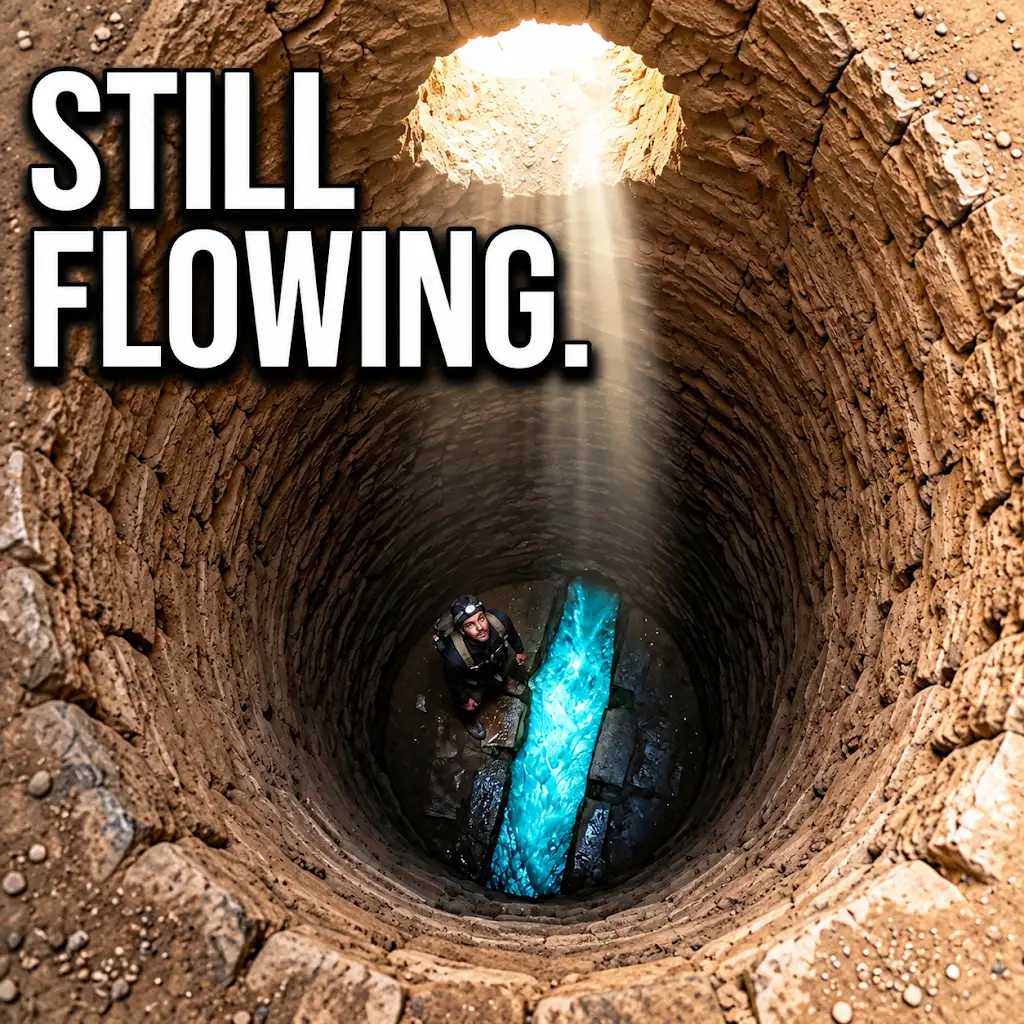
They Dug Water Tunnels Under the Desert… And They Still Flow
FAQs
What is a qanat?
A qanat is an underground water management system used to transport water from an aquifer under a hill to the surface for irrigation and drinking purposes.
How does a qanat differ from a Roman aqueduct?
Qanats are underground tunnels that tap into groundwater sources, while Roman aqueducts are above-ground structures that transport water over long distances using gravity.
Where were qanats commonly used?
Qanats were commonly used in arid regions such as Iran, North Africa, and Central Asia where they provided a reliable source of water for agriculture and human consumption.
What are the main advantages of qanats over Roman aqueducts?
Qanats are more efficient in minimizing water loss through evaporation and seepage since the water is transported underground. They also require less maintenance compared to above-ground aqueducts.
Are qanats still in use today?
Yes, qanats are still in use in some regions around the world, particularly in Iran where they continue to provide a sustainable source of water for agriculture and communities.