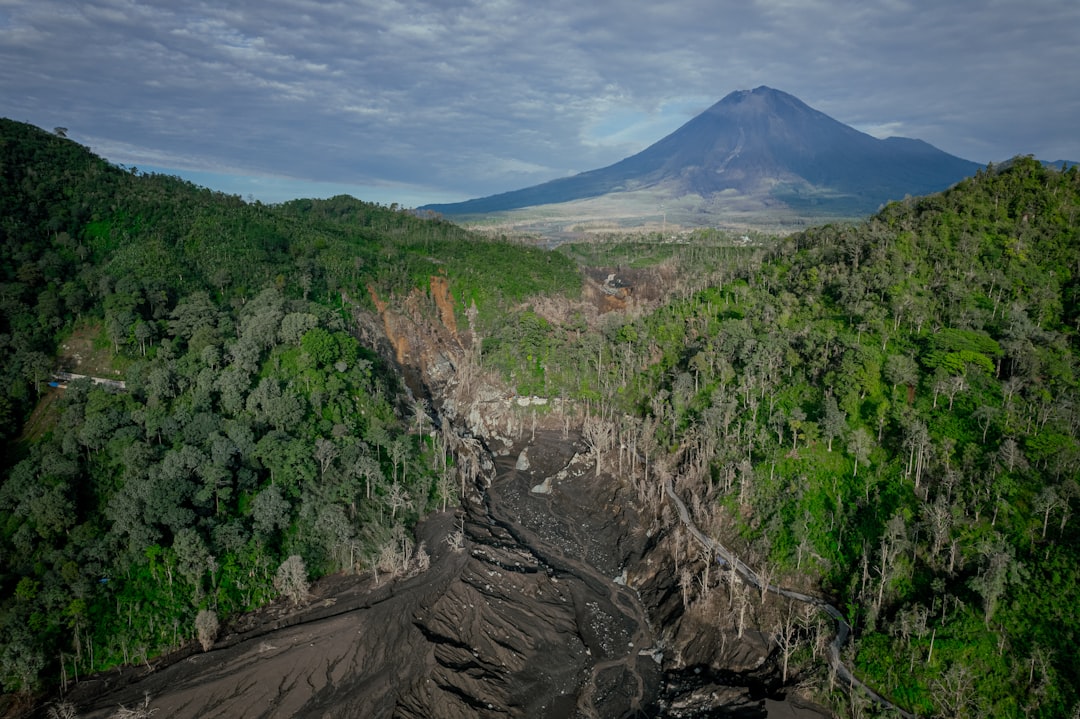
The gentle, often silent, layers of volcanic ash scattered across the landscape hold secrets far older than written records. For archaeologists, these seemingly unassuming deposits are not merely geological curiosities but vital clues in the painstaking process of piecing together the narratives of ancient civilizations. Volcanic ash dating, a discipline that bridges geology and archaeology, offers a remarkably precise method for anchoring historical timelines, illuminating the lives of people who walked the Earth millennia ago. This technique, while complex, has revolutionized our understanding of prehistoric societies, providing a tangible link between the human past and the dynamic geological forces that have shaped our planet.
Volcanic eruptions, though often destructive, are also incredibly informative events from a chronological perspective. The immense energy unleashed during an eruption ejects vast quantities of molten rock, ash, and gases into the atmosphere. This ejected material, known as tephra, can travel hundreds or even thousands of kilometers before settling back to Earth. The nature of this settled tephra is what makes it so valuable to archaeologists.
The Nature of Tephra: More Than Just Dust
Tephra encompasses a wide range of volcanic material, from fine ash particles, often microscopic in size, to larger volcanic bombs and lapilli. The composition of this tephra is directly linked to the magma from which it originated. Different volcanoes, and even different eruptions from the same volcano, produce tephra with distinct chemical signatures. This unique fingerprint is crucial for identification and correlation.
Eruptive Layers: Distinctive Datums
When a volcano erupts, it deposits a layer of tephra that is often distinct from the surrounding geological strata. These layers can vary in thickness, color, texture, and composition. Crucially, a single, significant eruption can blanket a wide geographical area with a recognizable ash layer. This uniformity across diverse locations is what makes tephra layers such powerful chronological markers. Once an ash layer is dated using geological methods, all archaeological materials found immediately above or below it can be assigned a relative age.
The Chronological Power of Stratigraphy
Archaeological sites are often composed of superimposed layers of soil and debris, a principle known as stratigraphy. The law of superposition dictates that in undisturbed sequences, the oldest layers are at the bottom, and the youngest are at the top. Volcanic ash layers, when interbedded with these archaeological layers, act as definitive chronostratigraphic markers. An artifact found directly within an ash layer or sealed by it can be precisely dated.
Volcanic ash dating has become an essential tool in archaeology, allowing researchers to establish precise timelines for ancient events and human activities. A related article that explores the implications of international cooperation in various fields, including archaeology, can be found at Preventing Space Arms Race: International Cooperation. This piece highlights the importance of collaborative efforts in advancing scientific research and preserving historical knowledge, which is crucial for understanding the impact of volcanic events on human civilization.
The Science of Dating: Radiometric Techniques
While stratigraphy provides relative dating, volcanic ash dating relies on more precise radiometric techniques to assign absolute ages. These methods are based on the predictable decay of radioactive isotopes within the volcanic material itself.
Potassium-Argon (K-Ar) Dating: A Foundation for Old Ages
Potassium-Argon dating is a cornerstone technique for dating volcanic rocks and minerals that formed during an eruption. This method utilizes the radioactive decay of potassium-40 ($^{40}$K) into argon-40 ($^{40}$Ar). Potassium is a common element found in many volcanic minerals, such as feldspars and micas. When a volcanic eruption occurs, the heat melts the rock, releasing any pre-existing argon. As the molten rock cools and solidifies, new argon gas is trapped within the mineral structure. This trapped argon is the “clock.”
The Principle of Radioactive Decay
The decay of $^{40}$K to $^{40}$Ar is a slow and constant process with a known half-life of approximately 1.25 billion years. This means that after 1.25 billion years, half of the original $^{40}$K will have decayed into $^{40}$Ar. By measuring the ratio of $^{40}$Ar to $^{40}$K in a volcanic sample, scientists can calculate how much time has passed since the rock cooled and trapped the argon.
Challenges and Applications of K-Ar
K-Ar dating is particularly useful for dating very old volcanic materials, often millions or billions of years old. However, it requires relatively large samples and can be susceptible to issues like argon loss or gain over time due to heating or weathering. For archaeological purposes, where often much younger materials are involved, K-Ar dating can still be employed if the tephra layers are sufficiently ancient relative to the archaeological context or if more refined argon dating techniques are used.
Argon-Argon ($^{40}$Ar/$^{39}$Ar) Dating: Precision and Efficiency
A more refined and widely used method in modern archaeology is Argon-Argon dating. This technique is a variation of Potassium-Argon dating that involves irradiating the sample with neutrons in a nuclear reactor. This neutron bombardment converts some of the stable potassium-39 ($^{39}$K) isotope into argon-39 ($^{39}$Ar). By measuring the ratios of argon isotopes ($^{40}$Ar and $^{39}$Ar) within the same sample, scientists can more accurately determine the original amount of potassium and, consequently, the age of the volcanic material.
Advantages of $^{40}$Ar/$^{39}$Ar Dating
The Argon-Argon method offers several advantages over traditional K-Ar dating. It requires smaller sample sizes, can often distinguish between different cooling phases within a single rock, and is less susceptible to errors caused by atmospheric argon contamination. This precision makes it invaluable for dating volcanic ash layers that fall within the timescale of human history.
Stepwise Heating and Incremental Release
A key aspect of $^{40}$Ar/$^{39}$Ar dating is the process of stepwise heating. The irradiated sample is heated in increments, releasing argon released at different temperatures. This allows scientists to analyze the composition of argon released from different mineral phases within the tephra, providing a more robust and reliable age determination. Anomalies in the argon release pattern can also indicate issues like argon diffusion, allowing for a more critical evaluation of the date.
Other Radiometric Techniques: Complementary Approaches
While Potassium-Argon and Argon-Argon dating are the most common for volcanic ash, other techniques might be employed depending on the specific circumstances and the age of the material.
Uranium-Lead (U-Pb) Dating
Uranium-lead dating, particularly using zircon crystals, is another highly precise radiometric method. Zircon is a very durable mineral that often forms within volcanic rocks. It contains uranium isotopes that decay into lead isotopes. The long half-lives of uranium isotopes make U-Pb dating suitable for a wide range of ages, including very ancient ones.
Thermoluminescence (TL) and Optically Stimulated Luminescence (OSL) Dating
While not directly dating the volcanic ash itself, these techniques can date materials within or associated with the ash layers. Luminescence dating methods measure the accumulation of trapped electrons in minerals (like quartz and feldspar) due to natural background radiation. When the mineral is exposed to heat (TL) or light (OSL), these electrons are released as light, and the amount of light emitted is proportional to the time since the last exposure. This can be used to date sediments that were buried by ash or pottery shards found within ash layers, providing a temporal link.
Case Studies: Illuminating Lost Worlds
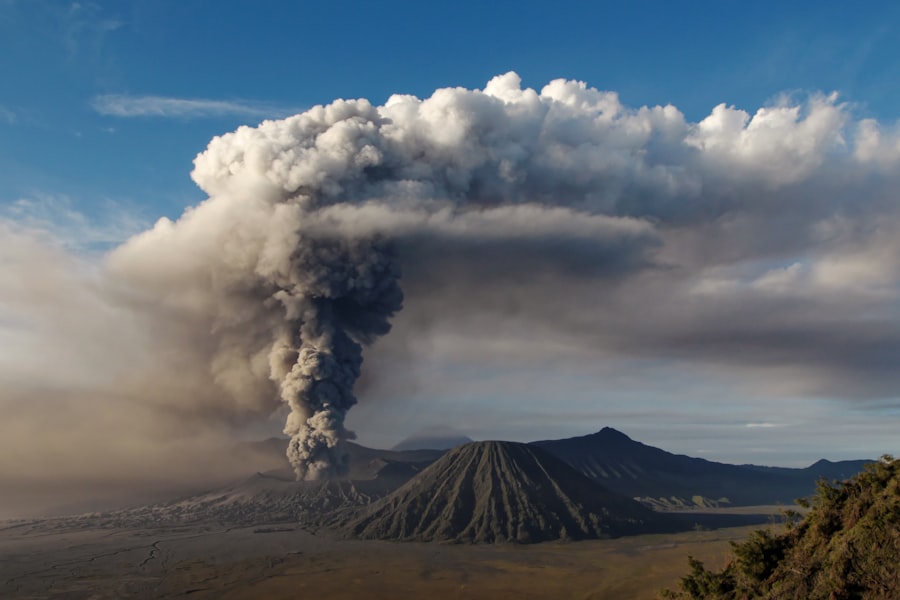
The application of volcanic ash dating in archaeology has yielded remarkable insights into the development and demise of ancient societies. These case studies highlight the transformative power of this interdisciplinary approach.
Pompeii and Herculaneum: A Frozen Moment in Time
Perhaps the most famous example of volcanic ash’s role in preserving ancient civilizations is the destruction of Pompeii and Herculaneum by the eruption of Mount Vesuvius in AD 79. The eruption buried these Roman cities under meters of ash and pumice, effectively freezing them in time. While the stratigraphy of the eruption provided the initial context, the volcanic deposits themselves are the direct evidence of the catastrophic event.
The AD 79 Eruption: A Well-Documented Event
The eruption of Vesuvius in AD 79 is well-documented in historical texts, notably by Pliny the Younger. His vivid descriptions provide a contemporary account of the destruction. However, archaeological excavation revealed the full extent of the disaster and provided a material confirmation of the historical narrative.
Preserving Daily Life
The rapid burial by ash and pumice preserved buildings, artifacts, and even organic materials like frescoes, mosaics, and wooden structures to an extraordinary degree. The ash layers acted as a protective seal, preventing decay and allowing archaeologists to excavate remarkably intact snapshots of Roman life at the moment of its annihilation.
Precise Chronology Provided by Geological Layers
The distinct layers of ash and pumice from different phases of the eruption allow for a detailed chronological reconstruction of the event. While the precise date of AD 79 is known from historical accounts, the geological stratigraphy of the Vesuvius deposits has been studied extensively to understand the eruption sequence and its impact across the Bay of Naples.
The Toba Supervolcano Eruption: A Near-Extinction Event?
The eruption of the Toba supervolcano in Indonesia approximately 74,000 years ago is considered one of the largest volcanic events in the last two million years. This colossal eruption had a profound impact on the global climate and has been hypothesized by some to have caused a genetic bottleneck in the human population.
Geological Evidence of the Scale
The Toba eruption deposited massive amounts of ash across Asia and even as far afield as Africa. The sheer volume and extent of the Toba ash layer (often referred to as the Toba Tuff) are testaments to its immense scale.
Dating Human Migrations and Genetic Bottlenecks
Archaeological sites containing human remains or artifacts beneath or within the Toba ash layer can be dated using radiometric techniques applied to the ash. This helps paleoclimatologists and paleoanthropologists understand how early humans responded to this catastrophic event. Evidence suggests that while the Toba eruption likely caused significant environmental upheaval and population reductions, it did not lead to human extinction. Nevertheless, the dating of Toba ash layers in conjunction with archaeological findings offers crucial data for understanding human resilience and adaptation in the face of extreme environmental challenges.
The Minoan Eruption of Thera: A Catalyst for Bronze Age Change
The eruption of the volcanic island of Thera (modern-day Santorini) in the Aegean Sea, around 1600 BCE, is another significant event in the ancient world. This cataclysmic eruption is believed to have had a major impact on the Bronze Age Aegean, potentially contributing to the decline of the Minoan civilization on Crete.
The Plinian Eruption and its Aftermath
The Thera eruption was a massive Plinian eruption, characterized by a violent expulsion of ash and pyroclastic flows. The eruption caused widespread destruction, creating a tsunami that likely devastated coastal settlements throughout the Aegean.
Dating the Eruption and its Impact
Archaeological evidence, including the distinctive Akrotiri settlement on Thera, was preserved under layers of volcanic ash. Radiocarbon dating of organic materials found both within and sealed by the ash layers, as well as Argon-Argon dating of the volcanic deposits themselves, has helped refine the chronology of the eruption. This dating has been crucial for understanding the timeline of the eruption’s impact on Minoan civilization and other contemporary Bronze Age cultures. The debate continues regarding the precise dating and the extent of its influence, but volcanic ash dating plays a central role in these discussions.
Methods and Challenges in Archaeological Application
Applying volcanic ash dating in an archaeological context requires careful methodology and a realistic understanding of the inherent challenges.
Field Identification and Sampling
The first step involves meticulously identifying potential tephra layers during archaeological excavation. This requires keen observation of changes in soil color, texture, and composition. Once identified, careful stratigraphic excavation is essential to maintain the integrity of the layers.
Stratigraphic Excavation
Archaeologists must excavate each layer separately, meticulously documenting its position relative to other layers and any artifacts found within it. This ensures that the relationship between the tephra and the archaeological context is preserved.
Contextual Documentation
Recording the precise location of the tephra layer and any associated artifacts, including their three-dimensional coordinates, is paramount. This provides the spatial information necessary for subsequent dating and interpretation.
Laboratory Analysis and Interpretation
Once samples are collected, they are sent to specialized laboratories for radiometric dating. The results of these analyses then need to be interpreted within the archaeological framework.
Mineral Separation and Preparation
For radiometric dating, specific minerals within the tephra that are suitable for the chosen dating method (e.g., feldspar, mica, zircon) are first separated and purified. This process can be labor-intensive and requires specialized equipment.
Data Analysis and Uncertainty
Radiometric dating provides a numerical age, but this age is always associated with an uncertainty or error margin. Geochronologists carefully analyze the data, considering potential sources of error, to provide the most accurate age possible.
Cross-Correlation and Verification
Archaeologists often cross-correlate dates from multiple tephra layers within a site or across different sites to build a robust chronological framework. They also compare radiometric dates with other dating methods, such as radiocarbon dating of organic materials, to verify their reliability.
Potential Pitfalls and Limitations
Despite its power, volcanic ash dating is not without its challenges.
Redistribution and Contamination
Volcanic ash layers can be disturbed by post-depositional processes such as erosion, human activity, or animal burrowing. This can lead to the mixing of ash with older or younger sediments, obscuring its original stratigraphic position. Contamination from other sources of argon or other isotopes can also affect the dating results.
Inhomogeneity of Samples
Different parts of the same ash layer might have slightly different compositions or contain minerals that have experienced different thermal histories. This can lead to variations in dating results from the same layer if not carefully sampled and analyzed.
Absence of Suitable Minerals
Not all tephra layers are suitable for all dating methods. For example, if a tephra layer lacks minerals rich in potassium, it cannot be dated using K-Ar or Ar-Ar methods.
“Dating the Volcanic Event, Not the Artifact”
It is crucial to remember that radiometric dating of volcanic ash dates the eruption event that deposited the ash, not the artifacts found within it. The artifacts are then assigned an age relative to the eruption. An artifact found directly within an ash layer is considered to be from the time of that eruption. Artifacts found in layers below are older, and those in layers above are younger.
Volcanic ash dating has become an essential tool in archaeology, particularly for understanding ancient civilizations and their timelines. Researchers have utilized this method to accurately date artifacts and structures, providing insights into the cultural and environmental changes that occurred over centuries. For a deeper exploration of how modern techniques are influencing various fields, including archaeology, you can read more in this article about Mexico’s evolving role in manufacturing and technology advancements. Check it out here.
The Future of Volcanic Ash Dating in Archaeology
| Sample ID | Location | Date of Eruption | Age of Ash Layer (years) |
|---|---|---|---|
| VA-001 | Pompeii, Italy | 79 AD | 1943 |
| VA-002 | Santorini, Greece | 1613-1614 BC | 3633 |
| VA-003 | Mount St. Helens, USA | 1980 | 41 |
The field of volcanic ash dating continues to evolve, with ongoing advancements in analytical techniques and a growing appreciation for the insights it can provide.
Technological Advancements
Improvements in mass spectrometry, laser ablation techniques, and sample preparation methods are continually enhancing the precision and efficiency of radiometric dating.
High-Resolution Dating
Future developments will likely lead to even higher resolution dating, allowing for the differentiation of ash layers from individual eruption pulses or even smaller pyroclastic flows.
In-Situ Dating Techniques
Emerging technologies might enable more in-situ dating directly at the excavation site, reducing the need for extensive sample transport and laboratory preparation.
Expanding Geographical and Temporal Scope
As more volcanic ash layers are identified and dated globally, our understanding of the interconnectedness of ancient societies and their responses to volcanic activity will deepen.
Global Correlation of Ash Layers
The identification of widespread ash layers from major eruptions allows for the correlation of archaeological sites across vast geographical distances, providing insights into ancient trade networks and cultural diffusion.
Reconstructing Paleoenvironments
The precise dating of ash layers associated with volcanic events allows for the reconstruction of paleoenvironments and the study of their impact on human settlement and subsistence strategies.
Interdisciplinary Collaboration
The continued success of volcanic ash dating relies on strong collaboration between geologists, archaeologists, and chemists. This interdisciplinary approach ensures that the geological data is accurately interpreted within its archaeological context, and that archaeological questions inform the geological investigations.
Integrated Research Projects
Future research will likely see more integrated projects where geochronologists work alongside archaeologists from the initial stages of site investigation, optimizing sampling strategies and maximizing the scientific return.
Conclusion: Layers of Time
Volcanic ash dating stands as a powerful testament to the synergy between the earth sciences and the humanities. These ancient geological deposits, often overlooked, hold within them precise chronological markers that unravel the mysteries of past civilizations. From freezing moments in time like Pompeii to tracing potential human population bottlenecks after supervolcano eruptions, and understanding the complex dynamics of the Bronze Age Aegean, the impact of volcanic ash dating is undeniable. The ongoing advancements in radiometric technology and the increasing collaborative spirit between disciplines promise to unlock further layers of time, illuminating the lives, achievements, and challenges of our ancient ancestors with ever-greater clarity. The silent story etched in volcanic ash continues to speak volumes, guiding archaeologists toward a more complete and nuanced understanding of the human journey.

Scientists Found Earth’s Hidden Timestamp
FAQs
What is volcanic ash dating in archaeology?
Volcanic ash dating, also known as tephrochronology, is a method used by archaeologists to date archaeological sites and events by analyzing layers of volcanic ash deposits.
How does volcanic ash dating work?
Volcanic ash dating works by identifying and analyzing layers of volcanic ash deposits within archaeological sites. These layers can be correlated with known volcanic eruptions, allowing archaeologists to establish a chronological framework for the site.
What are the advantages of volcanic ash dating in archaeology?
Volcanic ash dating provides precise and accurate dating of archaeological sites and events, as volcanic ash deposits can be correlated with specific volcanic eruptions. This method also allows for the synchronization of different archaeological sites based on the same volcanic event.
What are the limitations of volcanic ash dating?
One limitation of volcanic ash dating is the availability of suitable volcanic ash deposits within archaeological sites. Additionally, the method may not be applicable in regions with limited volcanic activity or where volcanic ash deposits have been eroded or disturbed.
What are some notable archaeological discoveries made using volcanic ash dating?
Volcanic ash dating has been used to date various archaeological sites and events, including the eruption of Mount Vesuvius that buried Pompeii and Herculaneum in 79 AD, as well as the dating of prehistoric human settlements in regions such as Iceland and New Zealand.